
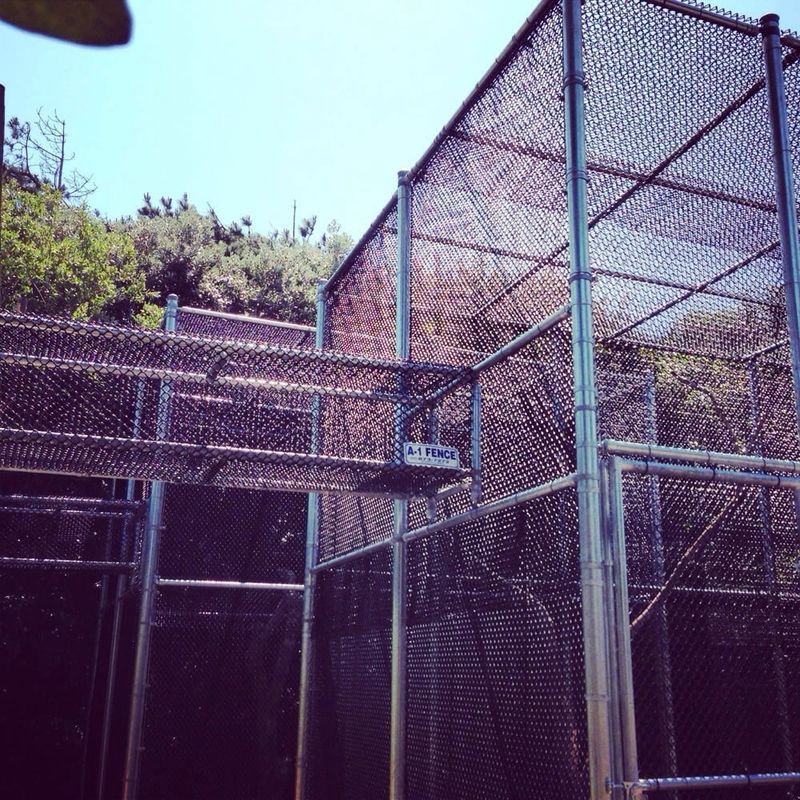
When deciding between chain link and wood fencing for your San Mateo County property, the choice depends on your priorities: budget, privacy, maintenance, and aesthetics. Here's a quick breakdown:
- Chain Link Fencing: Affordable ($15–$30 per linear foot), low-maintenance, durable (15–30 years), and ideal for security and wind resistance. However, it lacks privacy unless additional slats are added.
- Wood Fencing: Offers better privacy and a natural look, with options like redwood or cedar. Costs more ($25–$40 per linear foot) and requires regular maintenance (staining/sealing every 2–4 years). Lifespan ranges from 15 to 40 years depending on the wood type and upkeep.
For coastal San Mateo County, chain link fencing resists rust and wind damage well, while wood fencing may struggle with moisture and requires more care. If privacy and curb appeal matter most, wood fencing is a better option. For practicality and lower costs, chain link is the way to go.
Quick Comparison
| Feature | Chain Link Fence | Wood Fence |
|---|---|---|
| Cost | $15–$30/linear foot | $25–$40/linear foot |
| Lifespan | 15–30 years | 15–40 years |
| Maintenance | Minimal | High (sealing/staining) |
| Privacy | Low (requires slats) | High (solid panels) |
| Wind Resistance | Excellent | Moderate |
| Aesthetic Appeal | Industrial look | Natural, customizable |
| Property Value ROI | 30–50% | 50–70% |
Choose based on your needs: chain link for durability and low cost, wood for privacy and style.
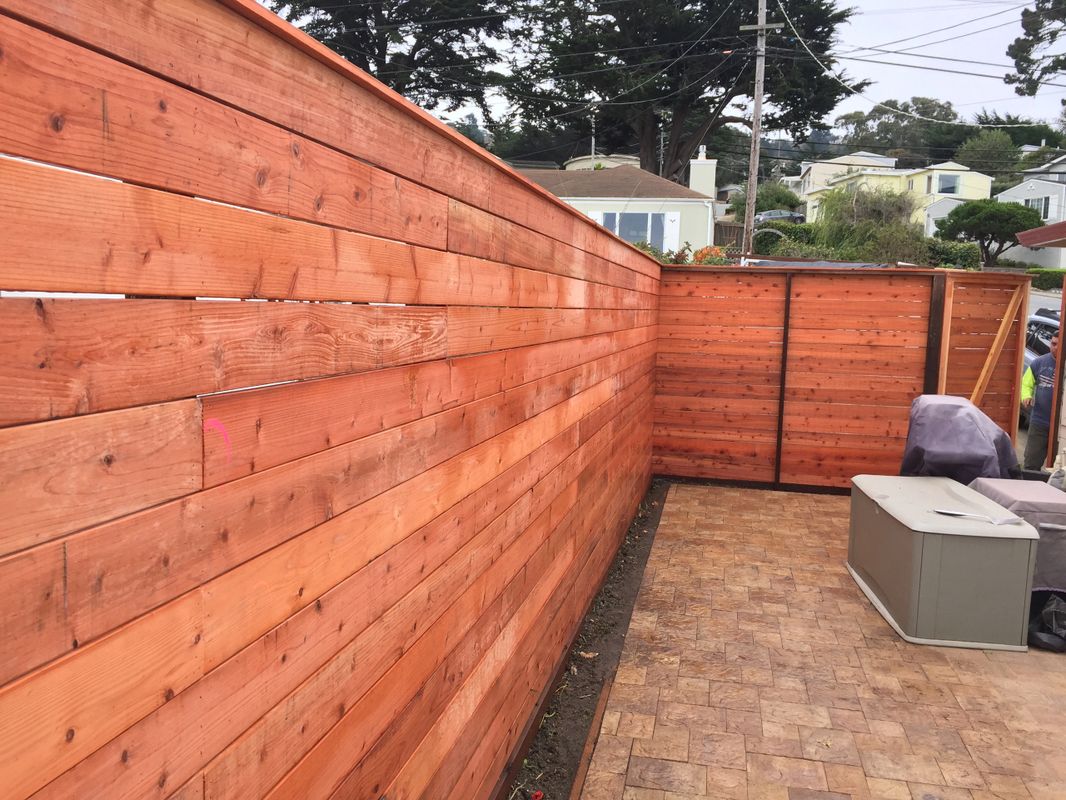
Chain Link Fencing Basics
Chain link fences are made from galvanized steel wires woven into a mesh pattern. The steel is coated with zinc to prevent rust and protect against oxidation over time. For properties near the San Mateo coast, vinyl- or polymer-coated options are available. These coatings provide an extra layer of protection against salt spray and corrosion and come in various colors. Residential fences typically use 11- or 11.5-gauge wires, while commercial or high-security installations require the thicker 9-gauge material.
Common residential fence heights range from 4 to 6 feet, with front yard fences generally limited to 3 feet. Pool fences, however, must be at least 5 feet tall and include self-closing, self-latching gates to meet safety standards.
The open-mesh design is particularly useful in San Mateo County's coastal areas. Unlike solid wood fences, chain link allows wind to pass through, avoiding the "sail effect" that can damage solid structures during strong coastal winds. This design also offers clear visibility across your property, making it easier to keep an eye on kids, pets, or property boundaries, all while maintaining a durable physical barrier.
These core features set the stage for the detailed benefits outlined below.
Main Features of Chain Link Fences
One of the standout benefits of chain link fencing is its low maintenance. Unlike wood, which requires regular sealing or staining, chain link fences often need no annual upkeep. Occasionally rinsing the fence with water is usually enough to keep it clean. Plus, being made entirely of steel, the fence is almost completely recyclable.
Durability is another strong point. In San Mateo County's climate, standard galvanized chain link fences last 15 to 30 years. The open mesh resists rust in humid conditions and remains stable through wet winters without warping or rotting. For properties exposed to salty air, vinyl-coated options offer even greater longevity.
Cost-effectiveness is a major appeal for both homeowners and businesses. Installation costs typically range from $15 to $30 per linear foot, with a standard 4-foot galvanized fence costing $18 to $24 per linear foot installed. Adding vinyl or powder coatings increases the price by $2 to $5 per linear foot, and privacy slats add another $3 to $5 per linear foot for those looking to reduce visibility.
Where Chain Link Fences Are Used in San Mateo County
Thanks to its practical design, chain link fencing is widely used across San Mateo County for both residential and commercial purposes.
One popular use is for pet enclosures. The fence's open design allows owners to monitor their pets while providing secure containment. The transparency also helps pets feel less confined.
Chain link is also a common choice for playgrounds and sports courts, as it lets parents and coaches supervise activities while ensuring children stay safely within the area. For instance, tennis courts in the county often feature chain link fences up to 12 feet tall.
In suburban neighborhoods like Redwood City, San Carlos, and Belmont, chain link fences are frequently used for property boundaries, especially in side and rear yards. The standard 6-foot height provides enough security without obstructing views.
Commercial properties also rely on chain link fencing for parking lots, storage areas, and industrial sites where security and durability are top priorities. The thicker 9-gauge wire resists cutting and tampering. Schools, community centers, and public facilities throughout the county also favor chain link for its combination of security, visibility, and minimal maintenance needs.
Wood Fencing Basics
In San Mateo County, wood fencing typically relies on Redwood and Western Red Cedar. These woods are naturally resistant to rot and insect damage, making them ideal for Northern California's damp climate. Redwood is often sourced locally, which reduces transportation costs and environmental impact. In contrast, cedar is usually imported from the Pacific Northwest or Canada. For fence posts, pressure-treated pine is a more budget-friendly option.
Redwood is known for its rich reddish-brown color and dense structure. Its natural tannins provide protection against moisture, termites, and even fire. Redwood boards come in grades like "clear heart", which offers maximum durability, and "construction common", which is less resistant to rot. Typically 3/4 inch thick, redwood boards are sturdy and long-lasting, with a lifespan of 20 to 40 years when maintained properly.
"Redwood has natural properties that make it last longer than cedar... When cedar absorbs moisture, it can swell and bend, causing damage in the long term." – Brionna Farney, Contributing Writer, Angi
Cedar provides a lighter aesthetic, with hues ranging from yellow to reddish tones. It's generally more affordable, with material costs of $2 to $4 per linear foot, compared to redwood's $8 to $12 per linear foot. While cedar resists decay, its lighter weight makes it more prone to warping if not sealed regularly. Its lifespan typically ranges from 15 to 30 years. To maintain their original colors and prevent weathering to a silvery-gray tone, both redwood and cedar require UV-protective sealants.
Wood fencing comes in a variety of styles, including classic picket, solid privacy panels, horizontal planks, shadowbox (board-on-board), and latticework. Each style can enhance privacy and complement the architectural designs found in the area.
Main Features of Wood Fences
Wood fences bring a natural charm that enhances curb appeal and pairs well with the diverse home styles in San Mateo County, from Craftsman to modern designs. Homeowners can customize them with stains, paints, or finishes to match their aesthetic preferences.
Privacy and noise reduction are key benefits. Solid wood panels create secluded spaces for families and pets while muffling sounds from nearby streets or neighbors. Unlike chain link fences, which often require additional slats for privacy, wood fences are inherently designed to block views.
That said, the local coastal conditions - marked by high humidity, salt air, and consistent moisture - can speed up wood decay and promote fungal growth. Salt air also accelerates color fading. Fence posts are especially vulnerable in damp soil, but using galvanized steel posts can help reduce this risk.
"In Northern California, redwood performs well due to the region's cooler, wetter winters and moderate summers.
Maintenance needs depend on the type of wood. Redwood fences should be resealed every two to three years, while cedar generally requires more frequent sealing or staining, often annually. Regular inspections for issues like mold, rot, or loose boards can prevent larger problems. Keeping plants trimmed away from the fence reduces moisture buildup, and for coastal properties, periodic cleaning with mild detergent and water helps remove salt and grime.
Where Wood Fences Are Used in San Mateo County
In San Mateo County, wood fences are commonly chosen for backyard privacy. Solid panel designs create enclosed spaces for families while clearly marking property boundaries. In front yards, picket fences add charm without obstructing views, making them a popular choice for Craftsman and Victorian homes in the area.
Wood fencing also serves decorative purposes along driveways and garden beds. Horizontal plank styles are a sleek match for modern homes in urban settings, while shadowbox designs offer a "good neighbor" look, presenting a finished appearance on both sides. Lattice extensions can add height for extra privacy without making the space feel closed in - particularly useful in hillside areas where neighbors might otherwise have a clear view.
In noisier areas, like near El Camino Real or Highway 101, solid wood panels help reduce traffic noise by absorbing and deflecting sound waves. This combination of functionality and visual appeal makes wood fencing a popular choice for homeowners throughout the region.
How Long Each Fence Type Lasts
Chain Link Fence Durability
Chain link fences hold up well in coastal environments. A standard galvanized chain link fence generally lasts 15 to 30 years, with 20 years being the typical lifespan. Opting for vinyl-coated chain link can push that lifespan to 25+ years.
"In most California climates, a properly installed chain link fence lasts 20 to 30 years, especially when vinyl coated options are used." – Dominic Vella, Licensed C-13 Fencing Contractor
One of the standout features of chain link fences is their ability to flex under pressure. This makes them ideal in earthquake-prone areas or during strong winds. Instead of breaking, the mesh bends and allows wind to pass through, reducing strain. However, in coastal regions, salt air can speed up rusting on galvanized chain link, potentially reducing its lifespan to 15 to 20 years unless additional protective coatings are applied. Vinyl or powder-coated finishes are effective at guarding against corrosion.
Maintenance is straightforward - regular cleaning and addressing minor rust spots are usually enough. Rust treatment solutions are affordable, often costing less than $20.
While chain link fences are low-maintenance and resilient, wood fences require more effort to stay in good condition, especially in moist environments.
Wood Fence Durability
Wood fences face more challenges in damp or humid areas. Constant exposure to moisture can lead to rot, mold, and fungal growth, particularly in the posts buried underground. The type of wood plays a big role in how long the fence will last: pressure-treated pine typically lasts 7 to 10 years in humid coastal climates, cedar can last 15 to 20 years, and redwood - if well-maintained - can endure for 20 to 40 years.
To protect against moisture, wood fences require staining or sealing every 2 to 4 years. Professional cleaning and staining can cost $200 to $500 per year, while full treatments typically range from $500 to $1,500 every few years.
Wood fences also have structural drawbacks. Solid wood panels can act like sails during strong coastal winds, making them vulnerable to damage. During earthquakes, their rigid structure can cause panels to loosen or break, unlike the flexible chain link design that adapts to ground movement.
Lifespan Comparison Table
| Durability Factor | Chain Link Fence | Wood Fence (Redwood/Cedar) | Wood Fence (Treated Pine) |
|---|---|---|---|
| Average Lifespan | 15–30 years | 15–40 years | 7–15 years |
| Insect Resistance | Immune | High (Natural) | High (Chemical) |
| Moisture Resistance | High (Rust-resistant) | Moderate (Requires sealing) | Low to Moderate |
| Maintenance Level | Very Low | High (Staining/Sealing) | High (Staining/Sealing) |
| Wind Performance | Excellent (Pass-through) | Poor (Solid resistance) | Poor (Solid resistance) |
| Seismic Resilience | High (Flexible) | Moderate (Rigid/Brittle) | Moderate (Rigid/Brittle) |
| Annual Maintenance Cost | Practically $0 | $200–$500 | $200–$500 |
Price Comparison
Installation Costs
In San Mateo County, chain link fencing installation costs range from $15 to $30 per linear foot. On the other hand, wood fencing - commonly used for 4- to 6-foot privacy fences - costs between $22 and $36 per linear foot. If you opt for premium materials like redwood, which are often chosen for upscale properties in the area, expect to pay $10 or more per linear foot on top of the standard wood pricing.
For a typical 200-linear-foot fence, the total installation cost comes out to around $4,000 for chain link compared to $5,500 for standard wood fencing. Labor costs for wood fences in San Mateo generally add $8 to $13 per linear foot to the project’s overall price.
Now, let’s look at how these options compare in terms of long-term maintenance.
Maintenance Costs Over Time
Chain link fences are low-maintenance, requiring only occasional cleaning and rust treatments, which cost around $50 to $100 per session. In contrast, wood fences demand more attention. To prevent issues like rot and warping, you’ll need to stain or seal the wood every 2 to 4 years. Professional treatments for this maintenance typically cost between $500 and $1,500 per session. Over the lifespan of the fence, this averages out to about $200 to $500 per year for upkeep.
Additionally, wood fences require an initial sealant treatment approximately six weeks after installation to protect against early issues like rot and termite damage. This one-time treatment is separate from regular upkeep and adds to the first-year expenses.
Cost Breakdown Table
| Cost Factor | Chain Link Fence | Wood Fence (Standard) | Wood Fence (Redwood) |
|---|---|---|---|
| Installation (per LF) | $15 – $30 | $22 – $36 | $32 – $46+ |
| 200 LF Total Install | ~$4,000 | ~$5,500 | $6,400 – $9,200+ |
| Annual Maintenance | ~$0 | $200 – $500 | $200 – $500 |
| Maintenance per Session | $50 – $100 (rust treatment) | $500 – $1,500 (staining/sealing) | $500 – $1,500 |
| Expected Lifespan | 15 – 30 years | 10 – 15 years | 20+ years |
| Total 20-Year Cost (200 LF) | ~$4,000 – $6,000 | ~$9,500 – $15,500 | ~$10,400 – $19,200 |
How Each Fence Looks
When choosing a fence, its appearance can significantly impact your San Mateo County property. Beyond functionality, the right fence enhances curb appeal and complements the local architectural vibe and natural surroundings.
Chain Link Fence Appearance
Chain link fences are known for their industrial vibe, thanks to their diamond-patterned mesh design. This transparent metal weave provides security while preserving open views, making it a great option if your property overlooks the bay or scenic hills in San Mateo County. The standard finish is galvanized silver, but you can opt for vinyl-coated versions in black, green, or brown. Among these, black vinyl-coated chain link is a favorite - it blends seamlessly into the landscaping, avoiding the reflective look of bare silver steel.
For those seeking added privacy, colored slats can be inserted into the mesh. While this enhances privacy, it also increases costs by $3 to $5 per linear foot. On the other hand, wood fencing offers a completely different aesthetic, emphasizing natural beauty and warmth.
Wood Fence Appearance
Wood fences bring a natural and inviting look, showcasing visible wood grain and rich tones that suit both modern and classic California homes. They come in various styles, including dog-ear, horizontal, picture frame, and lattice-top designs. Horizontal slats, in particular, are gaining popularity in the Bay Area for their sleek, modern appeal. Premium wood options like redwood and cedar elevate the overall aesthetic, adding a touch of sophistication to outdoor spaces.
The versatility of wood allows it to be painted or stained in any color to match your home. Unlike chain link, wood fences offer a full visual and sound barrier, effectively blocking views and dampening outside noise.
Appearance Comparison Table
Here’s a quick look at how chain link and wood fences differ in appearance:
| Feature | Chain Link Fence | Wood Fence |
|---|---|---|
| Primary Look | Industrial | Natural, warm |
| Privacy Level | Low (see-through) | High (solid) |
| Customization | Vinyl coatings, slats | Stains, paints, styles |
| View Retention | Open sightlines | Blocks views |
| Property Value Impact | 30–50% recoup | 50–70% recoup |
| Common Styles | Black/green vinyl, galvanized | Horizontal, lattice-top, dog-ear |
Performance and Local Climate Factors
The way your fence holds up against San Mateo County's unique weather and environmental conditions is a key consideration. From the damp coastal fog to areas prone to wildfires, different materials react in varied ways to these challenges.
Security and Privacy Features
Chain link fences are well-regarded for their security, especially when enhanced with barbed wire for extra deterrence. However, their open mesh design can unintentionally aid intruders by providing footholds for climbing. On the other hand, wood fences offer a different kind of security by concealing valuables, which can discourage theft.
"If people on the outside can't see any valuable belongings on the other side, it may make theft and burglary less likely to occur".
That said, wood is not without its downsides. Over time, it can weaken due to rot, which might compromise its structural strength.
When it comes to privacy, wood fences take the lead. Their solid panels completely block visibility, offering unmatched seclusion. Chain link fences, however, provide no inherent privacy unless you add slats or covers.
Both security and privacy considerations are further influenced by the region’s challenging climate conditions.
How Each Fence Handles Local Conditions
San Mateo's weather and environmental factors can significantly impact fence performance. In the foggy coastal climate, wood's natural tendency to absorb moisture can lead to rot and warping. Chain link, especially when galvanized or vinyl-coated, is far better equipped to resist rust and maintain durability in damp conditions.
Wind resistance is another factor to weigh. Chain link fences, with their open mesh, allow wind to pass through easily, reducing strain during storms. In contrast, solid wood panels can act like sails, making them more susceptible to wind damage. While wood fences can generally withstand winds up to 60 mph, chain link fences are more reliable in extreme weather, an important consideration for storm-prone areas. For better wind performance, wood designs like shadowbox or picket styles - allowing some airflow - can be a practical choice.
Fire resistance is also critical in areas at risk of wildfires. Chain link fences, made from non-combustible galvanized steel, are far more fire-resistant than wood, which is highly flammable. Chain link also stands up to pests like termites and wood-boring insects, while wood requires regular monitoring and maintenance to prevent infestations.
Performance Comparison Table
Here’s a quick comparison of how chain link and wood fences measure up against San Mateo County’s environmental challenges and security needs:
| Feature | Chain Link Fence | Wood Fence |
|---|---|---|
| Security | High (difficult to breach) | Moderate (hides valuables) |
| Privacy | Low (requires slats) | High (solid panels) |
| Wind Resistance | Excellent (air passes through) | Low (panels act as sails) |
| Fog/Moisture | High resistance | Prone to rot/warping |
| Wildfire Risk | Non-combustible | Combustible |
| Pest Resistance | Immune to insects | Vulnerable to termites |
| Earthquake Flexibility | Modular, easy to realign | Rigid panels may crack |
Which Fence Should You Choose?
Deciding between chain link and wood fencing comes down to three key factors: budget, maintenance, and aesthetics.
If you're looking for an affordable option with minimal maintenance, chain link fencing is the way to go. It’s less expensive to install and requires little upkeep. However, it typically recoups only 30–50% of its installation cost in added home value. On the other hand, wood fencing offers better privacy and enhances curb appeal, but it comes with a higher upfront cost and ongoing maintenance. You'll need to stain or seal it every 2–4 years, which adds to the long-term expense. That said, wood fencing can recoup 50–70% of its installation cost when it comes to property value.
For those prioritizing privacy and aesthetics, wood fencing is a solid investment. It provides a full visual barrier, reduces noise, and pairs well with the residential styles commonly found in San Mateo County. The local weather and architectural designs in this area often make wood a popular choice. However, many homeowners opt for a hybrid approach - using wood fencing for visible areas like the front yard to boost curb appeal and chain link for less noticeable boundaries to save on costs.
This combination approach is especially practical in San Mateo County, where balancing appearance and budget is often necessary. For instance, wood fencing can define the front yard beautifully, while chain link fencing can handle the back or side areas more economically.
Complete Comparison Table
Here’s a side-by-side look at the key differences to help you decide:
| Feature | Chain Link Fencing | Wood Fencing |
|---|---|---|
| Best For | Large perimeters, tight budgets, low-maintenance needs | Enhancing privacy, curb appeal, and property value |
| Initial Cost | $15–$30 per linear foot | $25–$40 per linear foot |
| Lifespan | 25–30 years | 15–20 years |
| Annual Maintenance | Nearly $0 | $200–$500 |
| Privacy Level | Low (transparent; may require privacy slats) | High (solid panels) |
| Property Value ROI | Approximately 30–50% recoup | Approximately 50–70% recoup |
| San Mateo Climate | Performs well in local conditions | Requires treatment to prevent rot and warping |
| Aesthetic Appeal | Utilitarian/industrial look | Natural, classic, and customizable |
| Security | Secure barrier though easier to climb | Provides a denser, more solid barrier |
FAQs
Do I need a permit to install a fence in San Mateo County?
In San Mateo County, a permit is required for fences built above retaining walls. However, if the fence complies with zoning requirements and is constructed from materials like wood or chain link, a building permit is typically not necessary.
Which fence option is best if I’m close to the coast?
When it comes to coastal properties, selecting the right materials is crucial due to the challenges posed by saltwater and high humidity. Vinyl, aluminum, and stainless steel stand out as excellent choices because they resist corrosion and are built to last in such environments. On the other hand, materials like wood and chain link are less suitable. Wood can deteriorate quickly from salt exposure, while chain link fences often demand constant maintenance. By opting for vinyl or aluminum, you can enjoy a fence that holds up well over time and requires minimal upkeep, even in tough coastal conditions.
What’s the cheapest way to add privacy to a chain link fence?
The cheapest way to add privacy to a chain link fence is by using privacy slats or screens. These budget-friendly solutions, typically made from vinyl or fabric, can be slipped into the chain link mesh with ease. Privacy slats are a favorite choice because they’re simple to install and deliver a quick boost in privacy - no need to replace the entire fence.