
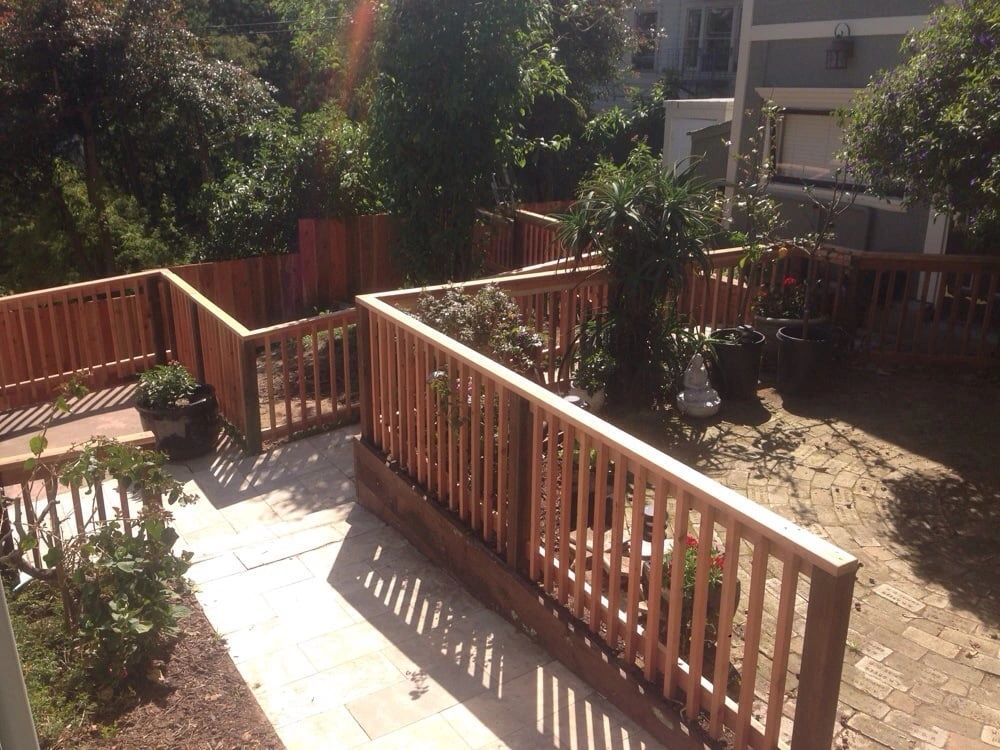
A well-designed deck can significantly boost your home's appeal and resale value, especially in areas like Burlingame, San Mateo, and Hillsborough, where outdoor living is highly desirable. Here's what you need to know:
- ROI Potential: Homes in the $2M–$6M range often see strong returns on deck investments due to buyer demand and premium materials.
- Material Choices: Composite decks offer low maintenance and durability, while wood options like redwood or Ipe require regular care but provide a natural look.
- Key Design Features: Multi-level decks, privacy panels, and proper orientation for views add usability and buyer appeal.
- Costs: Deck projects range from $7,107 to $16,841, with material and labor costs varying by design and complexity.
- Local Requirements: Fire-resistant materials are mandatory in high fire hazard zones, and permits typically cost $400–$1,200.
Planning, materials, and regular maintenance are essential for long-term ROI and a standout outdoor space.
Key Factors That Drive Deck ROI in Peninsula Homes
How Location and Views Affect Deck Value
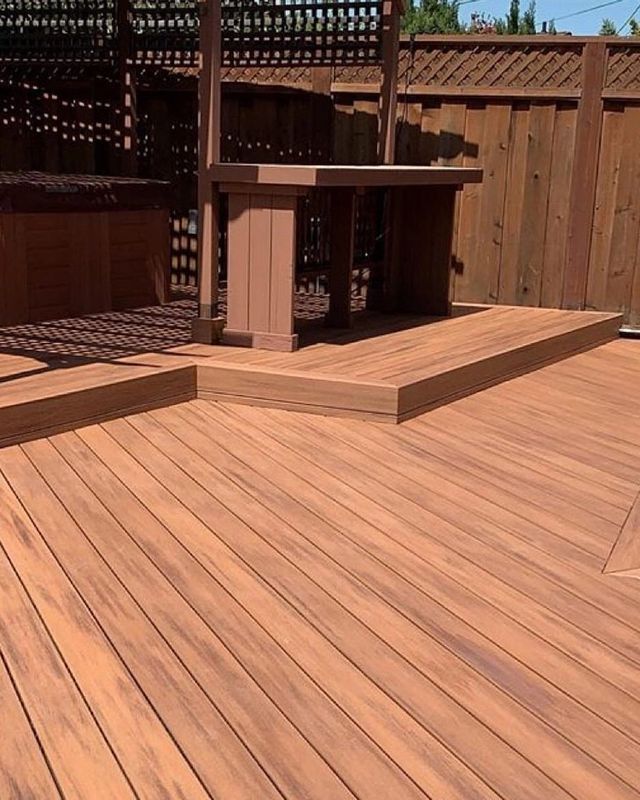
On the San Francisco Peninsula, the orientation of a deck can be just as important as the materials used to build it. For example, a west-facing deck in areas like Burlingame or San Mateo offers stunning sunset views over the Bay - something that buyers in the $2M–$6M market often see as a major selling point. The way a deck is positioned directly impacts how much it gets used throughout the year. A well-placed deck that captures the best views while shielding occupants from strong afternoon winds will likely feel far more appealing than one that doesn’t.
Privacy also plays a big role, especially in densely populated neighborhoods like Hillsborough or Redwood City. Adding screening plants or privacy panels can turn even a modest deck into a secluded escape. Without these features, even the most beautifully constructed deck can feel uncomfortably exposed during a showing.
"Outdoor living upgrades deliver strong ROI in San Mateo County's mild, year-round climate." – Sternsmith Group
These location-specific factors set the stage for the practical design decisions explored in the next section.
Choosing the Right Deck Size and Layout
Size and layout can make or break a deck’s functionality and appeal. A deck that’s too large may overwhelm the yard, while a deck that’s too small limits its usefulness. The key is to divide the space into zones: place a dining area near the kitchen, a lounging space where the best views are, and a service area tucked out of sight.
For homes on sloped lots, multi-level deck designs can turn otherwise unusable hillside terrain into functional outdoor spaces. However, proper drainage is essential to avoid future problems that could deter buyers or raise red flags during inspections.
"A deck that ignores circulation usually feels cramped even when it's physically large." – Truitt & White
By balancing size, layout, and functionality, homeowners can create a deck that not only serves their needs but also adds long-term value to the property.
Decking Materials: Cost, Upkeep, and Lifespan
Material choice is another critical factor in determining a deck’s return on investment. The Peninsula’s unique climate - characterized by coastal fog and marine moisture in the winter, followed by dry summers - can be tough on certain materials. For example, wood that isn’t stable can warp, crack, or check over time, leading to costly repairs ranging from $8,000 to $18,000.
Here’s a breakdown of how common decking materials perform under Peninsula conditions:
| Material | Upfront Cost (per linear ft.) | Annual Maintenance | Best For |
|---|---|---|---|
| Capped Composite (e.g., Trex, TimberTech) | $8–$14 | $5–$15 | Coastal areas needing low-maintenance options |
| Thermally Modified Wood | $6–$11 | Low (optional oiling) | Natural look for hillside decks |
| California Redwood (Heart Grade) | $4–$8 | $450–$850 (annual sealing) | Budget-friendly builds for dedicated owners |
| Tropical Hardwood (Ipe) | $10–$18 | Moderate (periodic oiling) | Luxury projects with long lifespans (40–75 years) |
One critical consideration for Peninsula homeowners: new CAL FIRE ordinances, effective post-2024, require ignition-resistant decking for properties in high fire hazard zones. This rule applies to many areas across the Peninsula and East Bay. Before purchasing materials, check if your property is in a Wildland Urban Interface (WUI) zone and ensure your chosen material is on the State Fire Marshal’s approved list.
Design Features That Improve Deck Function and Appeal
Deck Designs for Coastal and Sloped Lots
When it comes to maximizing a deck's usability and value, thoughtful design details make a big difference - especially on the Peninsula, where flat lots are rare. For properties with steep slopes, multi-level decks are an effective way to handle grade changes while creating distinct outdoor spaces. For instance, you could use a lower level as a garden terrace and reserve the upper level for enjoying panoramic views.
For homes in coastal or flood-prone areas, the choice of foundation is a key factor in a deck's durability. On stable, flat ground, standard concrete footings (costing $150–$250 each) are a solid option. However, sandy or unstable coastal soils often require helical piles - steel screw-in anchors that cost $300–$600 per pile but provide superior stability. In FEMA-designated flood zones (V and VE), open pile or column foundations are mandatory to allow water to flow unobstructed beneath the structure.
It’s worth noting that ledger board failure - often caused by moisture intrusion where the deck connects to the house - is responsible for 50% of all deck collapses. For older Peninsula homes or those with stucco or fiber cement siding, a free-standing deck can eliminate this risk entirely, though it does require extra posts and beams for support.
Beyond the foundation, features like railings play a big role in both safety and aesthetics, especially when preserving views is a priority.
Railing and Privacy Options
The type of railing you choose can completely change the feel of a deck and its appeal to potential buyers. On properties with stunning Bay or hillside views, the wrong railing can block what makes the home special.
"Railing style affects view more than any other deck decision. If your deck overlooks a view, cable and glass railings preserve sightlines while meeting code." – UseCalcPro
Cable railings are a popular choice for Peninsula properties, as they’re nearly invisible from a distance and keep views unobstructed. Glass panel railings go even further, offering wind protection while maintaining open sightlines - an advantage for west-facing decks exposed to coastal breezes. However, glass railings come with higher costs ($80–$150 per linear foot installed) and require regular cleaning to maintain their appearance.
Here’s a quick breakdown of common railing options:
| Railing Type | Installed Cost (per linear ft.) | Best For | Maintenance |
|---|---|---|---|
| Aluminum | $25–$50 | General coastal use | Low; resists salt air |
| Composite | $30–$60 | Matching deck boards | Low; no staining |
| Cable | $60–$100 | Preserving views | Medium; may need tensioning |
| Glass Panel | $80–$150 | Maximum view and wind block | High; requires cleaning |
For decks near saltwater, T316 stainless steel is the go-to choice for cable hardware. Its higher molybdenum content makes it more resistant to corrosion and staining caused by chloride exposure. Even with T316 hardware, a quick freshwater rinse every week or two can help maintain its condition on waterfront properties.
While railings are important, additional features can further enhance both the deck’s appeal and its practical value.
Add-Ons That Increase Deck Value
Strategic add-ons can elevate a deck from functional to unforgettable. Features that feel permanent and professionally designed - like built-in bench seating or integrated lighting - make a stronger impression than DIY solutions. A simple platform deck with bolt-on furniture just doesn’t have the same impact during a home showing.
"A well-built professional structure with deck lights, polished designs like picture framing, and nice landscaping are more valuable than a simple DIY platform deck." – TimberTech
Outdoor kitchens are among the most expensive upgrades but can be a strong selling point in the Peninsula’s $3M–$6M market, where buyers often expect fully equipped outdoor spaces. On more modest properties, however, the cost of an outdoor kitchen may outweigh its added value. On the other hand, integrated lighting and built-in seating are budget-friendly upgrades that consistently improve both the look and functionality of a deck. If you’re working with a limited budget, these features offer an excellent balance of usability and return on investment.
Keeping Your Deck in Good Shape for Long-Term ROI
Maintenance by Material Type
If you want your deck to deliver value over the long haul, regular maintenance is non-negotiable. The type of care your deck needs depends largely on its material. Wood decks - such as redwood, cedar, and tropical hardwoods like Ipe - demand the most attention. For redwood and cedar, annual sealing or staining is essential to guard against UV rays and moisture. Skipping this step can lead to graying, splintering, and eventually rot. Ipe is more durable but still benefits from oiling every one to two years. If left untreated, it develops a silver-gray patina, which some homeowners find visually appealing.
On the other hand, composite and PVC decks require far less effort. Maintenance typically involves a simple soap-and-water cleaning a couple of times a year. High-quality capped composites often come with 25–30 year warranties against fading and staining, which can be a strong selling point when buyers are evaluating properties.
| Material | Annual Maintenance | Salt Air/UV Impact |
|---|---|---|
| Redwood/Cedar | Seal or stain yearly | Susceptible to graying and splintering without care |
| Tropical Hardwood (Ipe) | Oil every 1–2 years | Develops a silver patina; resists salt air rot |
| Composite | Soap-and-water wash | Cap layer resists fading and salt exposure |
| PVC | Minimal cleaning | Excellent resistance to salt air and UV damage |
Once you’ve nailed down the basics of material-specific upkeep, the next step is tackling the unique challenges posed by coastal environments.
How to Protect a Deck in Coastal Conditions
Coastal decks face a unique set of challenges, thanks to the constant cycle of morning fog and intense afternoon sun. This wet-dry pattern accelerates wear and tear, causing raw wood to warp or crack much faster than in other climates. Even composite decks can experience issues if drainage and ventilation are overlooked. These protective strategies not only keep your deck looking great but also help maintain its value over time.
"On coastal and near-coastal jobs, drainage and ventilation mistakes do more damage than the material label." – Truitt & White
To combat these issues, keep the gaps between deck boards free of debris to prevent moisture buildup. Additionally, upgrade to stainless steel (316 grade) or hot-dip galvanized hardware to avoid corrosion. As contractors Larson and George Baldwin explain:
"All structural hardware in the coastal zone should be stainless steel (316 grade) or hot-dip galvanized. Standard zinc-plated connectors corrode within 3 to 5 years in salt air." – Larson & George Baldwin
While upgrading to marine-grade hardware may add $500–$1,500 to your project’s cost, it’s a smart investment compared to the expense of repairing corroded connections. For wood decks, consider using penetrating oils to minimize peeling and chipping caused by humidity changes.
Keeping Records to Support Resale Value
Proper maintenance isn’t just about preserving your deck - it also plays a big role in protecting your home’s resale value. Maintenance records can reassure potential buyers and prevent your deck from being flagged as a future expense during inspections. A lack of upkeep history on a wood deck often gives buyers leverage to negotiate a lower price.
"A well-maintained wood deck and a composite deck photograph about the same in listing photos, but during inspections and walkthroughs, composite signals 'move-in ready' while a visibly aged wood deck signals 'another thing to fix.'" – UseCalcPro
To make things easier, create a "deck passport" - a dedicated folder (physical or digital) that includes permits, contractor invoices, material receipts, and a log of all maintenance activities like cleaning, sealing, or inspections. For composite decks, include the manufacturer’s warranty certificate. Many warranties, such as those from Trex, TimberTech, and Fiberon, last 25–50 years and are transferable to new owners. This kind of documentation can be a powerful selling point, giving buyers confidence that the deck has been well-maintained and protected.
How to Calculate ROI and Plan Your Deck Budget
Estimating Costs and Projected Value Gains
Before you start building, it’s crucial to establish a realistic budget. In California, the average cost to build a deck in 2026 is $11,651, with most projects ranging between $7,107 and $16,841. On a per-square-foot basis, you’re looking at $20–$80 installed, depending on the materials and complexity of the design. Labor costs alone typically range from $15–$35 per square foot and account for about 36% of the total budget, while materials make up roughly 49%.
Your design choices can significantly influence the final price. For instance, a curved design can increase labor and material costs by 30–40% compared to a simple rectangular layout. Adding multiple levels? Plan to spend an extra $1,500–$3,000 for each additional level. If you’re considering premium railings, like glass or cable, expect to pay $100–$250 per linear foot, whereas standard wood railings cost around $30–$50 per linear foot.
"The cheapest deck costs $15–20/sq ft but you get pressure-treated wood with basic railings and no features. Quality composite decks with proper coastal materials START at $35/sq ft." – OC Renovation Group
For properties with water views, a well-designed outdoor space can add considerable resale value. Using premium materials like capped composite decking or Ipe hardwood not only enhances durability but also appeals to potential buyers, helping you justify a higher asking price.
Once you’ve estimated costs, the next step is ensuring you meet all permitting and code requirements.
Permits and Code Compliance for Peninsula Decks
Permits are a must, and skipping them could result in steep penalties. In the Bay Area, permit fees typically range from $400–$1,200, with the average around $500. Be sure to include this in your budget and treat the permit process as a key factor in your project schedule - review cycles and potential corrections can delay your timeline by weeks.
Homes in the Peninsula often come with additional regulations. For example, if your property is in a Wildland Urban Interface (WUI) zone, such as the Berkeley Hills, you’ll need to use fire-resistant lumber and meet specific material standards. Seismic compliance is another critical requirement in the Bay Area. Inspectors will check for a complete load path and seismic-rated connectors before giving approval. Companies like A-1 Fence Company can help homeowners navigate these requirements from the start, avoiding unexpected issues mid-project.
With permits and compliance handled, it’s time to think about when to build and how to manage your budget.
When to Build and How to Finance Your Deck
Timing matters. Building during the off-season (November–February) can save you 10–15% on contractor costs. During these months, demand is lower, crews are more available, and you’re more likely to secure a start date that works for your schedule.
If you plan to sell your home soon, consider how permit review timelines might affect your plans. In cities like Berkeley and Oakland, permit reviews can take several weeks, so you’ll need to start well in advance. A fully completed, permitted deck is a much stronger selling point than one that’s still under construction.
Most homeowners finance deck projects through home equity loans or HELOCs. Since a deck adds value to your property, these financing options allow you to borrow against an asset that increases with the improvement. For larger projects, ask your insurance company about "course of construction" coverage to protect against potential losses during the build. If cash flow is a concern, you can phase the project - start with the structural deck and add features like built-in seating or lighting later.
Conclusion: Building a Deck That Pays Off in the Peninsula Market
A well-thought-out deck signals care and quality, making it an instant draw for buyers in the upscale Peninsula areas like Burlingame and Hillsborough. As the Sternsmith Group emphasizes:
"A well-executed outdoor space is no longer a nice-to-have at resale; it's expected."
When it comes to creating a deck that adds value, the key decisions revolve around choosing the right materials, obtaining proper permits, and committing to regular maintenance. Skipping any of these steps can hurt your return on investment, whether it’s selecting materials unsuitable for the Peninsula’s fog-heavy climate or ignoring San Mateo County’s strict permitting requirements.
Buyers in this market favor durable, low-maintenance materials that stand the test of time. Products like capped composites (e.g., Trex or TimberTech) and thermally modified wood (e.g., Thermory) are excellent choices for the region’s wet-dry cycles and foggy conditions. These materials not only endure the elements but also boost long-term value, making them smart investments for homeowners.
A-1 Fence Company, a trusted name in the San Francisco Bay Area for over 40 years, understands the unique challenges of Peninsula properties. Their three-phase project process - focused on budget management, construction quality, and final inspections - ensures your project stays on track from start to finish. To consult with their team, call 650-873-7272.
Ultimately, the best deck is one that’s built to last, complies with local codes, and is well-maintained - ensuring it enhances both your home’s appeal and its long-term value in the competitive Peninsula market.
FAQs
How do I estimate deck ROI for my specific Peninsula neighborhood?
To gauge the potential return on investment (ROI) for a deck in your Peninsula neighborhood, start by checking recent sales of homes with similar lot sizes, square footage, and outdoor features. Pay attention to details like proximity to amenities, scenic views, and the local climate - these can significantly influence the value of outdoor upgrades.
Generally, wood decks recover about 62–95% of their costs, while composite decks offer a return of 60–90%. For more precise guidance, consult local contractors or appraisers who understand the area's market trends and can help you make the most of your investment.
Is my home in a WUI zone, and what decking materials are code-approved?
To find out if your home is located in a Wildland-Urban Interface (WUI) zone, start by reviewing local property records or zoning maps. Homes in WUI zones typically need decks constructed with materials that are either ignition-resistant or noncombustible, as specified by local building codes. Always check your area's specific regulations to ensure your decking materials meet safety and compliance standards.
Which deck upgrades add the most resale value without overbuilding?
Wood decks often recover about 65–75% of their cost at resale, while composite decks yield a return of 60–70%. For instance, a wood deck installation costing roughly $17,051 could boost your home's resale value by around $12,464. These choices strike a balance between expense and return, making them smart upgrades that avoid the risk of overbuilding.