
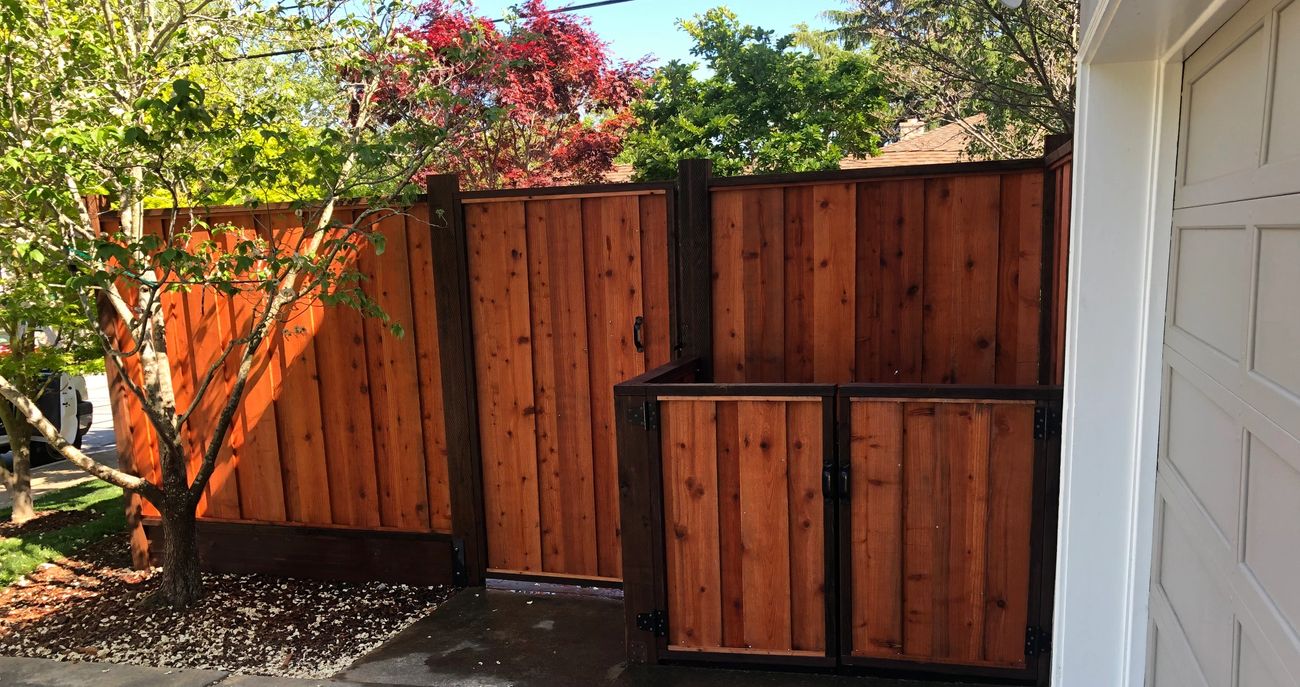
Aluminum does not burn, and that one fact is the whole reason fire safe aluminum fencing exists. A dry redwood fence that runs from the property line up to the house is a fuse. Fire reaches the far end, travels the boards, and arrives at the siding. An aluminum fence in the same spot carries nothing. For the hillside neighborhoods of San Mateo County that sit inside California's wildfire zones, that difference is worth understanding before the next fire season, not during it.
Here's the short version:
- Wood fencing attached to a house is one of the most common ways fire reaches the structure.
- Aluminum fencing does not ignite, does not carry flame, and does not add fuel next to the home.
- The hills above San Bruno, Millbrae and Belmont are mapped wildfire zones, and September and October are the peak months here.
- The first five feet around a house is where the fence material matters most.
- Aluminum costs more up front than wood, lasts far longer, and can be finished to look like iron.
Why a wood fence is a fire risk
A fence is a long, thin, dry piece of fuel laid out in a straight line across a property. In most Bay Area yards one end of it touches the house. Redwood and cedar weather to a dry surface that catches easily from an ember. Once a board is burning, the fire walks down the fence line toward the siding, the eaves and the deck. In a neighborhood fire the house often does not catch from the flame front. It catches from the fence.
What fire safe aluminum fencing actually is
Fire safe aluminum fencing is aluminum picket or panel fencing, powder coated, installed on aluminum or steel posts, with no combustible material in the run. It does not ignite and it does not carry flame. When fire reaches it, the fence line simply stops being part of the fire. Where a wood fence meets the house, an aluminum section in that last stretch cuts the fire off before it reaches the wall. That is why many homeowners in the wildfire zones replace only the sections that touch the structure and keep wood elsewhere on the lot.
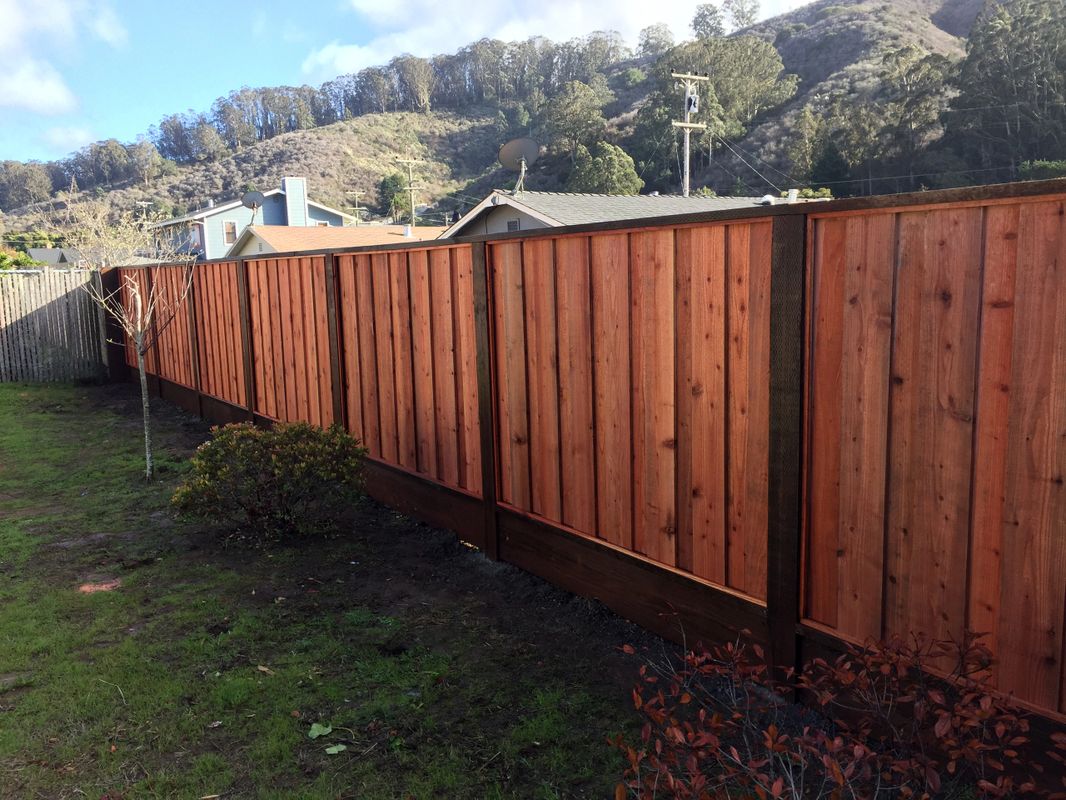
A fence line installed by A-1 Fence and Deck on the Peninsula. The sections that touch the house are the ones that decide how fire travels.
Where this matters in San Mateo County
The hills above San Bruno, the slopes of Millbrae, and the upper streets of Belmont sit in California's mapped wildfire zones. Homes there back onto open grass and brush that dries out through the summer. Fire season on the Peninsula peaks in September and October, when the hills have gone brown and the offshore winds arrive. That is when an ember from a grass fire a few streets away can land on a fence.
Homeowners in these zones are asked to keep defensible space around the structure, and Cal Fire's guidance treats the first five feet as the ember resistant zone, with nothing that burns in it. That means no wood mulch, no dry shrubs, and no wood fence or gate tied into the wall. A wood fence attached to the house is the one combustible thing that runs straight to the siding on purpose.
Aluminum against wood and vinyl
| Aluminum | Wood | Vinyl | |
|---|---|---|---|
| Fire | Does not burn | Burns and carries flame | Softens and deforms in heat |
| Look | Powder coated, styles that read like iron | Warm, natural, the Peninsula classic | Clean and plain, limited styles |
| Upkeep | Rinse it off | Stain or seal on a schedule, repair rot and warped boards | Wash it, replace cracked panels |
| Lifespan | Decades, does not rust or rot | Depends on the weather and the upkeep, shorter near the coast | Long, but brittle in heat and sun |
| Cost up front | Highest | Lowest | Middle |
Wood is the cheapest fence to put in and the one most people picture on a Peninsula lot. It is also the one that needs the most care and the one that burns. Vinyl does not carry flame the way wood does, but it softens and deforms in heat, and its styles are limited. Aluminum costs the most on day one and then costs almost nothing, does not rot in the fog belt, and holds its finish.
A-1 installs powder coated aluminum in picket and panel styles that look like wrought iron from the street without the rust or the weight. That is why it fits the older homes in San Bruno and Millbrae as well as newer ones. There is a broader material comparison in wood versus vinyl versus composite fencing, and the iron look is covered in iron and wrought iron fencing for Bay Area homes.
A practical way to approach it
Walk the fence line and find where it touches the house, the garage and the deck. Those sections are the priority. Replacing them with aluminum, or with an aluminum panel and a gate, takes the fuel away from the house without replacing every foot of fence on the lot. Then look at the sections that face open hillside, where an ember is most likely to land first. Homeowners who want the whole run in aluminum get a fence that will still be standing when a wood one would have been replaced twice.
Have the fence line looked at while fire season is still active
A-1 Fence and Deck is a family owned company since 1978, based in South San Francisco, licensed and insured, CSLB #998389. It serves San Bruno, Millbrae, Belmont, Pacifica, Daly City, Burlingame, San Mateo and the surrounding cities. The fire safe aluminum fencing work starts with a look at where the existing fence meets the house and a straight answer on which sections matter. Fire season is not over in September, so this is the time to have the line checked. Ask for a free estimate.
FAQs
Does aluminum fencing melt in a wildfire?
Aluminum has a high melting point and does not ignite or carry flame. In a direct, sustained burn it can deform, but it never becomes fuel, which is the point. A wood fence in the same fire adds fuel and delivers it to the house.
Do I have to replace my whole fence?
No. The sections that touch the house, garage or deck are the ones that carry fire to the structure. Replacing those with aluminum breaks the path. Many homeowners keep wood on the parts of the lot away from the buildings.
Does aluminum fencing look industrial?
Not the styles used on homes. Powder coated aluminum picket fencing reads like wrought iron from the street, and it suits the older houses in San Bruno and Millbrae as well as newer construction.
Is aluminum worth the higher price?
For a fence that touches the house in a wildfire zone, yes, because it removes a known way for fire to reach the structure. Beyond that, it does not rot in the coastal fog, does not need staining, and lasts far longer than wood. The price gap narrows over the life of the fence.