
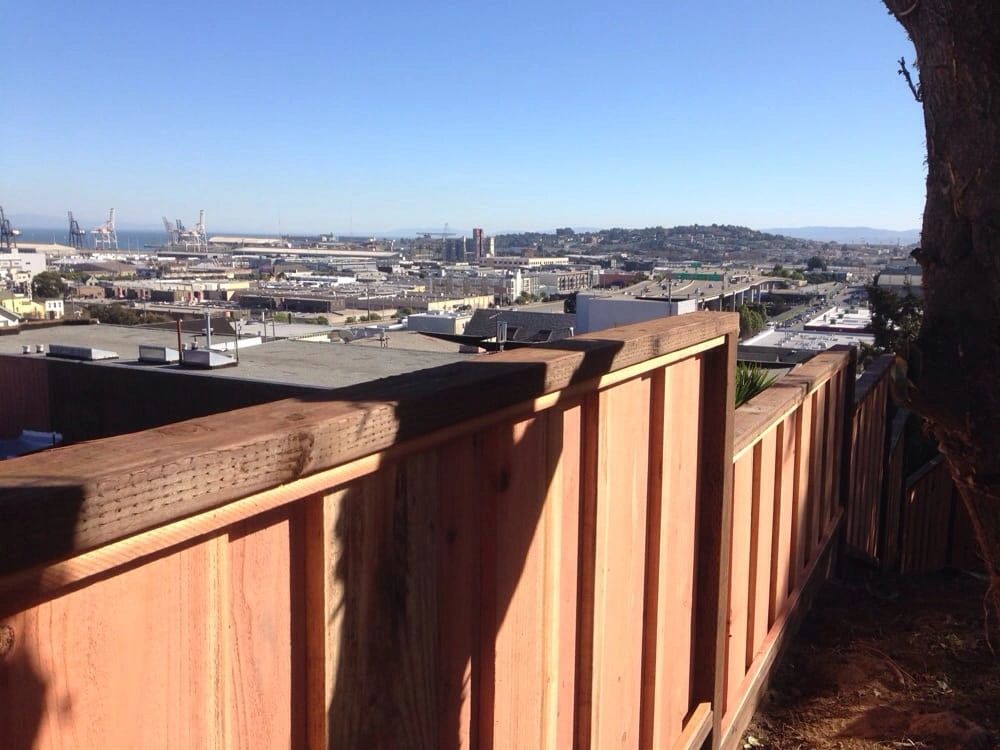
Living near the coast in Pacifica means your fence faces unique challenges: salty air, high humidity, and strong winds. Choosing the right material can save you time, money, and effort in maintenance. Here’s what you need to know:
- Vinyl: Moisture-resistant, low-maintenance, and lasts 20–30 years. Costs $30–$65 per linear foot (including labor). Reinforced posts are recommended for windy areas.
- Aluminum: Corrosion-resistant, lightweight, and durable for 30+ years. Costs $40–$95 per linear foot (with labor). Great for windy areas but needs periodic inspections for alignment.
- Treated Wood: Affordable upfront ($25–$50 per linear foot with labor) but requires frequent staining and repairs. Lifespan is 10–30 years depending on the type of wood and maintenance.
Each material has pros and cons. For durability and minimal upkeep, aluminum is a top choice. Vinyl offers privacy with low maintenance, while treated wood is budget-friendly but requires more care.
| Material | Durability | Cost (Installed) | Maintenance Needs | Lifespan |
|---|---|---|---|---|
| Vinyl | Good (Resists rot/rust) | $30–$65/linear foot | Low (Occasional rinse) | 20–30 years |
| Aluminum | Excellent (Corrosion-resistant) | $40–$95/linear foot | Low (Periodic checks) | 30+ years |
| Treated Wood | Fair (Prone to rot) | $25–$50/linear foot | High (Frequent staining) | 10–30 years |
Tip: For coastal areas, prioritize materials that resist corrosion and require minimal upkeep, like aluminum or vinyl. Treated wood may cost less upfront but demands more maintenance over time.
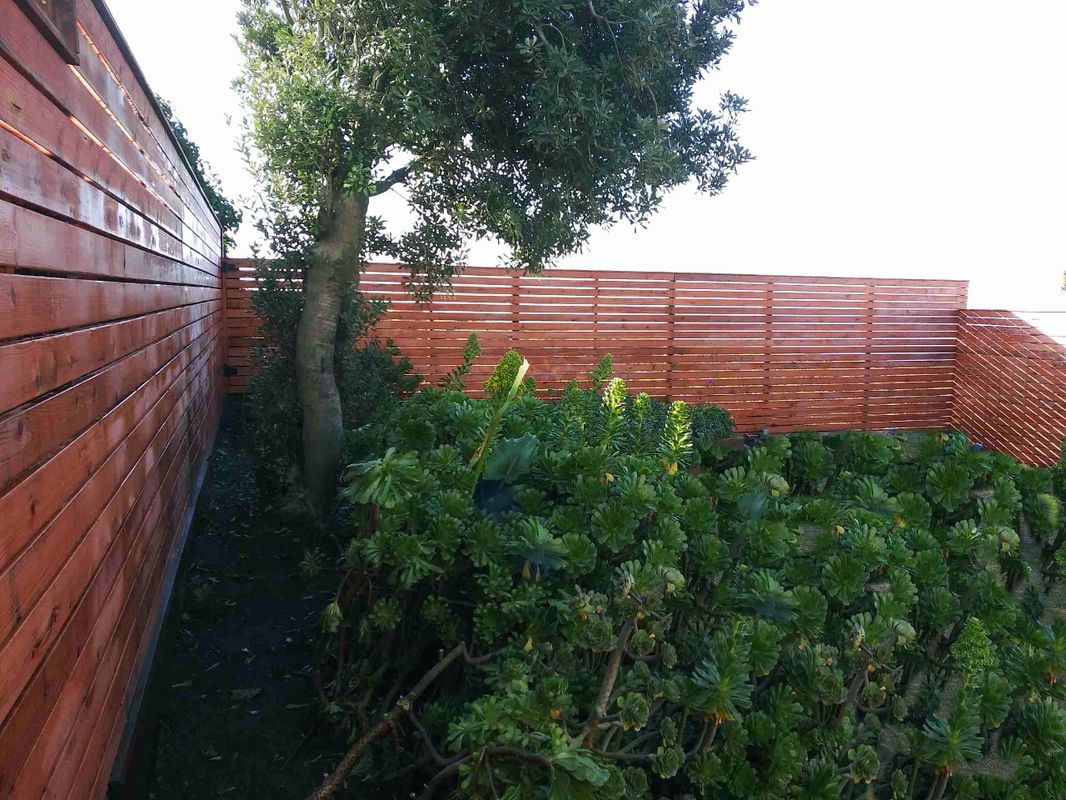
1. Vinyl Fencing
Durability in Coastal Weather
Vinyl fencing, crafted from polyvinyl chloride (PVC), is a standout choice for coastal areas thanks to its resistance to moisture, salt air, and humidity. Unlike wood or metal, it won't succumb to rot, rust, or corrosion, even when exposed to salt spray.
Modern vinyl fencing is fortified with UV inhibitors like titanium dioxide, which help prevent fading, chalking, and brittleness under the sun. Additionally, high-quality vinyl is designed to flex slightly under pressure, making it more resilient against strong coastal winds. For the best results in high-exposure areas, opt for virgin PVC over recycled materials, as it offers superior color retention and structural strength.
Cost and Lifespan
The cost of vinyl fencing typically ranges from $20 to $40 per linear foot for materials, with labor adding another $10 to $25 per linear foot. In Pacifica, total project costs generally fall between $3,000 and $8,000, depending on the fence's length and complexity. Adding gates or custom features can increase costs by $200 to $500 or more.
Vinyl fences are built to last, with a lifespan of 20–30 years. High-grade options can even surpass 50 years when properly maintained. This far outpaces the 10–15 year lifespan of cedar or treated lumber in coastal environments. Its durability and low maintenance make it an excellent investment for Pacifica's unique conditions.
Maintenance Requirements
Vinyl fencing is incredibly low-maintenance. A quick rinse with a garden hose a few times a year is enough to remove surface salt and dirt, while mild soap and water can handle tougher stains. Unlike wood, vinyl doesn't require staining, painting, or sealing.
However, hardware can be a weak spot. Standard galvanized steel fasteners are prone to rust in salty air, potentially leading to rust streaks and structural issues. To avoid this, use stainless steel hinges, latches, and screws, or ensure they have high-quality protective coatings.
Aesthetic Appeal
Vinyl fencing isn't just practical - it’s visually appealing too. Available in a wide range of colors and styles, modern vinyl can even mimic the look of wood or stone. Its polished appearance holds up well in harsh coastal conditions, and it resists windblown sand that can wear down painted surfaces, keeping its finish intact far longer than many other materials.
2. Aluminum Fencing
Durability in Coastal Weather
Aluminum fencing is well-suited for Pacifica's coastal climate due to its natural ability to form an oxide layer that resists corrosion when exposed to salty air. This makes it a practical option for properties located within about 0.6 miles of the shoreline, where chloride exposure is at its peak. To enhance its durability, these fences are powder-coated to meet AAMA 2604 standards, offering extra protection against salt-laden aerosols and UV rays.
Although aluminum panels resist rust, connection points can sometimes face issues like pitting or galvanic corrosion, especially when different metals are involved. Using stainless steel fasteners and concealing them can minimize this risk. Additionally, aluminum is non-combustible (ASTM E136), which adds a layer of safety for homes along California's coastline.
Since aluminum is lighter and less rigid than some other materials, proper post spacing and reinforcement are crucial for ensuring stability in coastal conditions. These features, combined with its resistance to corrosion, make aluminum fencing a cost-effective and durable choice over time.
Cost and Lifespan
The cost of aluminum fencing typically ranges between $15 and $55 per linear foot for installation. Residential-grade panels are priced around $119.99 for a 6-foot section, while posts generally cost about $39.99 each. Gate hardware varies widely, from $75 to $430, depending on size and complexity. With proper care, aluminum fences can last 30 years or more. Major maintenance is often unnecessary for the first 10–20 years, making it a low-maintenance option in the long run. While the initial cost is higher compared to softwood, the reduced upkeep over two decades makes aluminum a more economical choice overall.
Maintenance Requirements
Keeping aluminum fencing in good condition is straightforward. Monthly rinsing helps remove salt deposits, and annual inspections of hardware and coating touch-ups are usually sufficient. It's also a good idea to check that posts and panels stay properly aligned, as the lightweight nature of aluminum can sometimes cause joints to loosen over time.
Aesthetic Appeal
Aluminum fencing offers sleek, modern designs that pair well with coastal homes. It comes in various styles, from horizontal slat systems for added privacy to vertical picket configurations featuring flat bars, square, or round tube designs. Finishes like matte black and dark bronze are popular choices, offering a polished look that doesn't fade, splinter, or deteriorate - even after years of exposure to the elements. Unlike wood, aluminum retains its refined appearance with minimal effort, making it both a practical and stylish choice for coastal properties.
3. Treated Wood Fencing
Durability in Coastal Weather
Pressure-treated wood is fortified with preservatives like ACQ (Alkaline Copper Quaternary) or CA (Copper Azole) to combat rot and insect damage, making it suitable for humid coastal climates. However, while these treatments help prevent rot, they won't stop cracking or graying unless you apply additional sealants.
Coastal sand can wear down protective finishes and paint, adding another layer of maintenance. On the West Coast, Redwood is often chosen over pressure-treated pine because of its natural resistance to decay and insects. Even so, Redwood still requires topical treatments to withstand the harsh salt-heavy environment. It's also important to note that the chemicals used in pressure treatment can corrode metal fasteners. To avoid hardware failure in salty air, use hot-dipped galvanized or stainless steel fasteners.
"Modern pressure treatment uses Alkaline Copper Quaternary (ACQ) or Copper Azole (CA)... these are considered safe for residential use but are more corrosive to metal fasteners - always use hot-dipped galvanized or stainless steel hardware." – Fence Advisors Editorial
While pressure-treated wood is durable, keeping it in good condition involves regular upkeep, which can add to its overall cost.
Cost and Lifespan
For a 6-foot privacy fence, pressure-treated pine costs approximately $20–$32 per linear foot, making it 20–30% cheaper upfront compared to cedar. Redwood is priced at $20–$35 per linear foot, while Western Red Cedar ranges from $30–$55 per linear foot installed. Additionally, high-quality coastal-grade stains and paints often cost more than $100 per gallon.
The lifespan of treated wood varies depending on the type of wood and how well it's maintained. Pressure-treated pine typically lasts 15–20 years in coastal conditions. Redwood can endure 20–30 years, while Western Red Cedar has a lifespan of 15–35 years. Fence posts, which are often the first to fail in high-wind areas, generally last 10–20 years when buried in soil.
Maintenance Requirements
Treated wood fences in coastal areas require consistent care to withstand the elements. Once the wood dries, apply a stain or sealer immediately to prevent cracking and warping. Annual cleaning is essential, along with occasional rinsing to remove salt deposits that can speed up rot.
For better durability, set wooden posts in concrete with steel brackets or switch to steel posts entirely. This helps prevent the fence from leaning or racking in strong coastal winds. Additionally, keeping the bottom of the fence panels a few inches above the ground allows for better airflow and reduces direct moisture exposure.
Aesthetic Appeal
Treated wood offers a timeless, natural look, especially with the rich tones of Redwood or Western Red Cedar. However, without regular sealing, the wood will eventually gray due to exposure to UV rays and salt. To maintain its color and grain, frequent staining is necessary, which can significantly increase maintenance efforts.
Material Comparison: Pros and Cons
Choosing the right fence material for Pacifica's coastal climate can save you from unnecessary expenses and headaches. Aluminum is a strong contender for properties exposed to salt air, as it naturally develops a protective oxide layer that shields it from corrosion, requiring little maintenance. Vinyl also offers minimal upkeep but may face challenges with strong winds, especially when used for solid privacy panels. To counteract this, reinforced posts are often needed to ensure stability. On the other hand, treated wood is the most affordable upfront, costing $15–$30 per linear foot. However, it demands regular maintenance, such as restaining every 1–2 years in coastal conditions, with high-quality stains costing over $100 per gallon.
When looking at long-term costs, wood fences might seem cheaper initially but can become more expensive over time due to frequent staining and repairs. These ongoing expenses can surpass the total cost of a premium aluminum fence within a decade. Aluminum, by contrast, requires minimal care - just an occasional rinse to remove salt buildup. Vinyl fares well against moisture but tends to become brittle after 15–20 years of UV exposure.
Here’s a quick breakdown of the pros and cons for each material in Pacifica’s coastal environment:
| Material | Durability | Initial Cost | Maintenance Needs | Lifespan |
|---|---|---|---|---|
| Aluminum | Excellent (Corrosion-resistant) | $25–$40/linear foot | Very Low (Occasional rinse) | 30+ years |
| Vinyl | Good (Moisture-resistant) | $20–$40/linear foot | Very Low (Occasional rinse) | 15–20+ years |
| Treated Wood | Fair (Prone to rot and graying) | $15–$30/linear foot | High (Stain every 1–3 years) | 10–15 years |
Wind resistance is another key consideration for Pacifica's breezy conditions. Aluminum fences with open picket designs are particularly effective in such environments. These designs allow wind to pass through, avoiding the "sail" effect that can put stress on solid panels.
Conclusion
Each fencing material has its own strengths when it comes to handling Pacifica's coastal conditions. The right choice will depend on factors like durability, upkeep, and budget. Aluminum stands out for its long lifespan and minimal maintenance. Vinyl provides excellent privacy with low upkeep, especially when reinforced for windy conditions. Treated wood offers a more affordable upfront cost but requires consistent care and repairs over time.
For those who value durability and ease of maintenance, aluminum is a smart choice. Its natural resistance to salt-air corrosion allows it to last over 30 years with just occasional cleaning. Vinyl is another solid option for privacy, though reinforced posts are advisable to withstand strong coastal winds. Treated wood, while initially less expensive at $15–$30 per linear foot, can become more costly in the long run due to frequent staining and repairs. Consider these aspects carefully to find the best fit for your property's needs.
"Coastal exposure changes the math. Fences in shoreline-adjacent neighborhoods can deteriorate faster when connection details and protective systems aren't specified correctly." - Pacific Wood and Iron
When making your decision, think beyond just cost and appearance. It's crucial to choose a fence that can endure Pacifica's unique coastal climate. A-1 Fence Company, serving the San Francisco Bay Area since 1978, has extensive experience with coastal fencing. From using corrosion-resistant hardware to addressing wind and salt exposure, their expertise ensures your fence will stand the test of time. Whether you're leaning toward aluminum, vinyl, or treated wood, reach out to A-1 Fence Company for guidance and a custom quote tailored to your specific needs.
FAQs
Do I need a permit to install a new fence in Pacifica?
Yes, if you're planning to install a new fence in Pacifica and it involves new construction or significant modifications, you'll need a permit. These permits are handled by the city's Building Division. Additionally, if your property is in a coastal area, there may be extra regulations to follow. It's important to review local guidelines to make sure you're meeting all city and coastal requirements.
How can I make a privacy fence hold up in Pacifica’s strong winds?
To handle Pacifica's strong winds, opt for sturdy materials such as aluminum or galvanized steel. Aluminum is corrosion-resistant and low-maintenance, making it ideal for coastal areas. Galvanized steel, on the other hand, provides extra strength and stability. Pay close attention to details like proper hardware, secure anchoring, and quality welds and fasteners. These elements are essential for keeping your fence strong and weather-resistant over time.
What fence hardware won’t rust in salty coastal air?
Aluminum hardware stands out for its ability to resist rust, especially in salty coastal areas. This is due to its natural ability to form a protective oxide layer, which acts as a barrier against corrosion. This makes aluminum a reliable option for environments with significant salt exposure.