
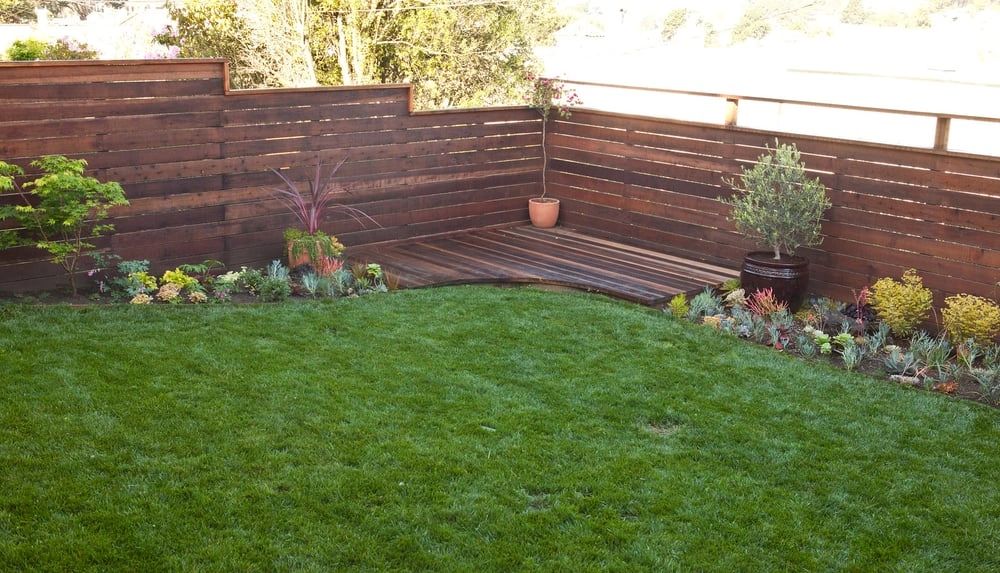
Spring is the ideal time to inspect and maintain your fence, especially in San Mateo County, where the coastal climate and winter conditions can take a toll on fencing materials. Here’s what you need to know to keep your fence in great shape:
- Inspect for Damage: Check for loose posts, warped boards, rust, or mold. Pay close attention to areas near the ground or where vegetation grows.
- Clean Thoroughly: Use appropriate cleaners based on your fence material (wood, metal, composite). Rinse metal fences near the coast to remove salt deposits.
- Make Repairs: Fix loose boards, stabilize wobbly posts, and treat rusted areas. Replace rotted wood or damaged sections as needed.
- Protect with Coatings: Apply stains or sealants to wood fences to guard against UV rays and moisture. Use rust-inhibiting primers on metal fences.
- Trim Vegetation: Keep plants and branches away from your fence to prevent moisture buildup and wood rot.
Regular upkeep extends your fence's lifespan and prevents costly repairs. For major issues like structural instability or complex repairs, consider hiring a licensed professional. A little effort now can save you trouble later!
How to Inspect Your Fence for Damage
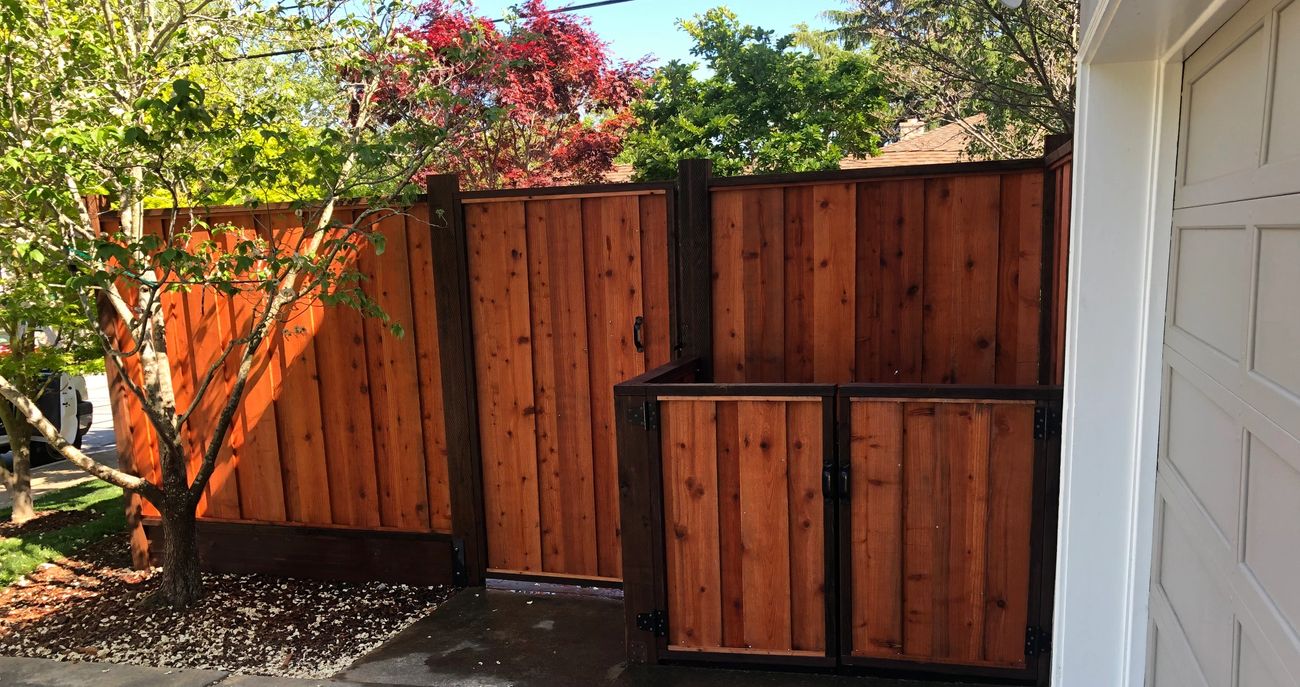
A thorough spring inspection can save you from dealing with costly summer repairs. The best way to approach this is by walking along your entire fence line and carefully examining every post, panel, and rail. Start at one corner and move systematically around the perimeter. Pay extra attention to spots where the fence meets the ground or where vegetation is growing nearby. From there, focus on spotting damage specific to the material your fence is made of.
Posts are the backbone of your fence. Begin by testing their sturdiness. Push each post to see if it wobbles or flexes. If you notice significant movement, the concrete footing might be cracked or separated. Use a level to check if the posts are upright - if they lean by 5 to 10 degrees, it could indicate foundation trouble. As Barrier Bob from BarrierBoss puts it:
A systematic inspection identifies all issues, allowing you to prioritize work and gather necessary materials.
What Fence Damage Looks Like
Different materials show wear and tear in different ways. Here’s what to watch for:
- Wood fences: Look for discoloration, warping, splitting, or signs of insect activity. Termites or carpenter ants often leave tiny holes, sawdust piles near the base, or wood that sounds hollow when tapped. Try the screwdriver test - probe areas near the ground. If the screwdriver sinks in easily, the wood is rotting and needs replacing.
- Metal fences: Rust is a common issue, especially at weld points, joints, or spots where the protective coating has been scratched. Steel sections may show orange stains or pitting, particularly after harsh winter weather. If you live near the coast, look for salt buildup, which appears as a white residue that dulls the finish and accelerates corrosion.
- Composite and vinyl fences: These can warp due to temperature changes or develop mold and mildew in damp, shaded areas. Check for any separation between the outer layer and the core material. Gates require extra scrutiny since they endure the most stress - inspect for sagging, worn hinges, or misaligned latches.
How to Document Damage
Take clear photos of any damage, including close-ups and wide shots to show the affected area in context (e.g., “third post from the north corner”). Use a tape measure to record the size of gaps, warped sections, or areas needing replacement. Mark damaged boards with a pencil or tape so they’re easy to locate later.
This documentation will be incredibly useful when requesting repair estimates or notifying your neighbor under California's Good Neighbor Fence Act, which requires a 30-day written notice for shared fence repairs. According to the law:
Adjoining landowners are presumed to share an equal benefit from any fence dividing their properties and... shall be presumed to be equally responsible for the reasonable costs of construction, maintenance, or necessary replacement of the fence.
Once you’ve documented everything, you’ll be ready to start planning the necessary repairs.
How to Clean Your Fence
Once you've inspected your fence, the next step is to give it a thorough cleaning. This not only removes the grime that builds up over winter but also helps you spot any hidden damage that might have gone unnoticed. A clean fence is easier to repair and maintain.
The way you clean your fence will depend on the material it's made of. For wood fences - like cedar, redwood, or pine - use wood-specific cleaners with oxygenated compounds such as sodium percarbonate. These cleaners effectively remove mildew and algae while being gentle on nearby plants. For aluminum and steel fences, a simple rinse with a garden hose followed by mild dish soap applied with a soft cloth or sponge will do the trick. If you live in coastal areas like Half Moon Bay or Pacifica, rinse your metal fences at least twice a year to prevent salt buildup, which can dull the finish and speed up corrosion. Composite fences are best cleaned with a soft-bristle brush and a soap-and-water solution, ideally twice a year. Hardwood fences, such as Ipe, benefit from a mild oxalic acid solution, which can lift stains and help prevent graying.
Selecting Cleaning Tools and Products
Once you've decided how to clean your fence, it's time to choose the right tools and products for the job. For aluminum fences, stick to a soft cloth or sponge paired with mild dish soap, avoiding abrasive pads or harsh chemicals that could scratch the surface. Steel or iron fences also require gentle care, especially around weld points and the lower panels where debris tends to collect.
Wood fences need a more tailored approach. Oxygenated cleaners, like EXPERT Eco Cleaner (available from $12.49 per unit), are great for regular maintenance and can cover 100–200 square feet per gallon of mixed solution. For tougher organic stains, a stronger sodium metasilicate-based cleaner may be necessary. After removing deep stains, applying a wood brightener with oxalic acid can restore the wood's pH balance, ensuring any stain or sealant adheres properly.
Before starting, protect your plants and landscaping by wetting the surrounding soil and vegetation. If you're using non-oxygenated cleaners, cover sensitive plants with plastic sheeting. Use a stiff brush for softwood fences and a soft-bristle brush for composite or hardwood materials to avoid damage.
Pressure Washing Without Causing Damage
Pressure washing can make cleaning faster, but it must be done carefully to avoid damaging your fence. Stick to a low-pressure setting - between 100 and 300 PSI - often referred to as "soft washing". This method effectively removes mold and algae at their roots and offers longer-lasting results compared to high-pressure washing.
Always use a fan tip nozzle instead of a pinpoint stream, which can gouge wood or strip its grain. Keep the nozzle at least 12 inches away from the surface and start with the lowest pressure setting, increasing gradually if needed. When cleaning wood fences, move the nozzle in smooth, overlapping passes, following the grain of the wood.
After cleaning, let the fence dry completely before applying any stain or sealant. For wood fences, this typically means waiting one to three days until the moisture has evaporated. Sealing damp wood can trap moisture, leading to rot and shortening the life of your protective coating. Once your fence is dry, it will be ready for any necessary repairs and treatments.
How to Repair and Strengthen Your Fence
Once your fence is clean, it’s time to inspect it for any damage - spring is a great season to handle repairs before the summer heat rolls in. Start by checking each post for stability. If a post wobbles, it needs attention. Use a screwdriver to test the wood near the ground; if it sinks in easily, the material is rotted and must be replaced.
Now, let’s dive into specific repair techniques for boards, posts, and gate hardware.
Replacing or Reattaching Damaged Boards
To fix damaged boards, start by addressing any loose or warped ones - these are often caused by harsh winter conditions. Walk along your fence and examine all fasteners, including screws, bolts, brackets, and clips. In hardwoods like Ipe, screws may loosen due to seasonal expansion and contraction. Simply re-drive or replace them as needed. If you find boards that are too rotted or cracked to salvage, they’ll need to be replaced. Before attaching new boards, make sure the posts they’ll connect to are solid; unstable posts can lead to repeated issues.
For steel fences, check for scratches or areas where the protective coating has been compromised. To prevent rust, treat these spots immediately with a rust-inhibiting primer, followed by touch-up paint. Also, note that in California, a contractor’s license is required for any fence repair project costing $500 or more.
Stabilizing Loose Fence Posts
Loose posts are a big concern since they impact the entire fence’s stability. Begin by clearing away any vines or plants around the post bases - these can trap moisture, speeding up rot in wooden posts and causing concrete footings to shift. Use a screwdriver to test wooden posts and inspect concrete footings around metal posts for cracks. If the screwdriver penetrates the wood easily, the post is too rotted and needs to be replaced rather than temporarily reinforced.
For composite fences, ensure the outer sleeve hasn’t separated from the aluminum or wood core. While minor wobbling can be reinforced, any post that fails the screwdriver test or shows significant damage will need a full replacement.
Fixing and Lubricating Gate Hardware
Gates take a lot of wear and tear, so regular maintenance is critical. Open and close each gate to check for resistance, squeaking, or dragging on the ground or post. If the gate is misaligned, it’s likely due to shifted hinges. Tighten all screws, bolts, and brackets on both the gate and the posts to correct alignment.
Don’t forget to lubricate hinges and latches according to the manufacturer’s instructions to prevent squeaking or sticking. For automated gates, inspect the motor mechanism and lubricate all moving parts annually to keep everything running smoothly. Aluminum and composite gates should also be checked to ensure they’re functioning properly.
Preparing Your Fence for Summer
Once you've tackled any necessary repairs, it's time to protect your fence from San Mateo's intense summer sun and dry climate. Spring is the perfect time to apply protective coatings, giving your fence a fighting chance against the long, dry season ahead. In high-UV environments like California, most wood fences need re-staining or sealing every two to three years. Hardwoods like Ipe, in particular, thrive when treated annually with a penetrating oil that preserves their rich brown color and natural beauty.
Using Sealants and Protective Coatings
The first step is picking the right product for your fence material. For example:
- Oil-based stains penetrate deeply and offer long-lasting protection.
- Water-based stains are easier to clean up but may require more frequent reapplications.
For dense woods like Cedar, Redwood, or Ipe - favorites in California - penetrating hardwood oils are especially effective. They help retain the wood's natural color and guard against moisture damage. In San Mateo's Mediterranean climate, UV-resistant stains are a must to prevent wood from drying out, cracking, or turning gray due to sun exposure.
Before applying any product, make sure your fence is completely dry. A damp surface can lead to poor adhesion and cause peeling down the line. Apply stains or sealers in dry, shaded conditions to ensure even coverage and proper curing. Most stains need 24 to 48 hours to fully dry and cure, depending on the weather. Use thin, even coats for the best results. Sprayers are great for covering large areas quickly, while brushes are ideal for detailed sections and tight corners.
If you have steel or aluminum fencing, especially in coastal areas where salt can corrode finishes, inspect for scratches or compromised areas. Apply rust-inhibiting primers and coatings to keep the metal protected.
Controlling Plants and Drainage Around Your Fence
Managing the vegetation around your fence is just as important as protective coatings. Trim back plants, vines, and tree branches to prevent moisture buildup, which can lead to wood rot and deterioration. Be extra vigilant with shaded areas, as they are more prone to mold, mildew, and algae growth.
Check the soil level around your fence's base. Soil piled too high against the boards can cause internal rot, while eroded soil around posts can compromise stability. If you're maintaining hedges on a corner lot in San Mateo, keep them trimmed to a maximum height of 3 feet within the 45-foot intersection triangle to stay within local visibility codes. These small but essential steps will help your fence stay strong and last through the summer months.
When to Hire a Professional
While basic upkeep can handle minor fence issues, more serious problems often demand professional intervention. Knowing when to bring in an expert can help you avoid wasting time and money while preventing further damage to your property.
Problems That Need Professional Repair
Certain issues signal it's time to call in a pro. For example, structural instability - like wobbly posts or leaning sections - often points to compromised footings or rotted wood. You can check for this by doing a simple screwdriver test near the base of the posts. If the screwdriver sinks into the wood, it’s likely rotted and requires professional attention.
Signs of insect infestations, such as tiny holes or sawdust, also demand expert treatment. Similarly, complex hardware failures, like problems with automated gate motors or security components, should be handled by professionals to ensure proper repair and functionality.
If you have pool fencing, it’s crucial to follow California’s safety codes, which require self-closing and self-latching gates. Professional installation ensures compliance with these regulations, as well as safety for your family. In San Mateo, any fence taller than seven feet requires a building permit, making professional involvement essential for such projects.
For large-scale damage - like shifted sections, widespread rot, or fences that no longer meet fire safety standards - calling in a professional for a full assessment is a must. When dealing with shared boundary fences, California's Good Neighbor Fence Act of 2013 requires formal estimates and proper documentation if you’re seeking a 50% cost contribution from your neighbor. Licensed contractors can handle this paperwork, and in California, they are required to be licensed for any project costing $500 or more.
When faced with repairs beyond the scope of DIY efforts, a licensed professional can efficiently address these challenges.
How A-1 Fence Company Can Help
Since 1978, A-1 Fence Company has been a trusted name for homeowners in San Mateo County, offering a wide range of fence repair and installation services. Their skilled team conducts thorough inspections to uncover hidden structural issues and specializes in repairing wood, vinyl, chain link, and ornamental iron fencing. They also handle code-compliant installations for pool enclosures, security fencing, and custom designs that align with local regulations.
Beyond repairs, A-1 Fence Company provides maintenance services like power washing, sealing, and custom modifications tailored to San Mateo’s unique Mediterranean climate. Their expertise in selecting materials and treatments that withstand intense summer heat and dry conditions ensures long-lasting results. For more complex projects or shared fence documentation, their licensed professionals offer the expertise and formal estimates needed to get the job done right. Whether you're tackling a major repair or need help navigating local regulations, A-1 Fence Company is equipped to assist.
Conclusion
Spring is the perfect time to tackle fence maintenance and catch small issues before they turn into expensive repairs. A detailed inspection during this season helps uncover damage caused by winter rain and wind, allowing you to address problems before the dry summer months set in. Look for leaning posts, loose fasteners, soil erosion, and misaligned gates - these are easier to fix when caught early.
The type of maintenance your fence needs often depends on its material. Aluminum and composite fences usually require minimal care, like a quick rinse and occasional touch-ups. On the other hand, wood fences - especially cedar or redwood - need more attention to prevent long-term damage. And for those in fire-prone areas, it might be worth considering replacing aging wood fences with non-combustible materials to meet updated safety standards.
Regular upkeep keeps your fence sturdy and looking great. Whether you choose to handle simple tasks yourself or hire experts for bigger repairs, a little effort each spring can go a long way in extending your fence's life. Taking the time now can save you from major headaches and expenses down the road.
FAQs
How often should I stain or seal my fence in San Mateo County?
In San Mateo County, it's a good idea to stain or seal your fence every 2 to 3 years. This not only shields it from weather-related wear and tear but also keeps it looking great. Regular upkeep like this helps your fence stay strong and attractive, even with the challenges posed by the local climate.
Should I pressure wash my fence or use a gentler wash?
Using a gentler approach, like a garden hose and simple cleaning tools, is a smarter choice than pressure washing your fence. Pressure washing can be overly aggressive and might harm certain materials. A garden hose, combined with a bit of scrubbing, is typically enough to clear away dirt and grime while keeping your fence intact.
As part of regular upkeep, take time to inspect your fence. Look for loose fasteners or areas where vegetation might be growing against it. Addressing these small issues early can help ensure your fence stays in great shape for years to come.
When do I need a permit or a licensed contractor for fence work?
In San Mateo County, you'll need a permit or a licensed contractor for fence projects that involve new construction, substantial changes, or if the work goes beyond local height or setback rules. Make sure to review your city's specific guidelines to stay in line with local regulations.