

If I owned a home in the Bay Area, I’d want a fence or deck company that knows fire rules, slope issues, salt air, and local permits. That’s the short answer here.
From what this article shows, A-1 Fence & Deck stands out for a few clear reasons:
- 40+ years in San Jose and the Bay Area
- Family-owned since 1978
- Help with fences, gates, decks, arbors, and retaining walls
- Material choices based on privacy, upkeep, security, and curb appeal
- Attention to build details that affect how long the job lasts
- Help with local code and permit steps
- Options for pool safety and fire-risk areas
Just as important, the article points to job details that can save trouble later. For example:
- California pool barriers must be at least 60 inches tall
- Wood fences often need stain every 2–3 years
- Ornamental iron can last 50+ years with care
- Wrong deck fasteners can corrode in 3–5 years
- Fire-risk areas may call for non-combustible fence sections within 5 feet of the home
If I had to sum it up in one line, I’d say this: homeowners choose A-1 because the company matches the right material to the property, installs it the right way, and knows how Bay Area homes work.
| What homeowners care about | What the article says A-1 focuses on |
|---|---|
| Privacy | Wood and vinyl for more screening |
| Low upkeep | Vinyl, chain-link, and some metal options |
| Security | Gates, chain-link, and ornamental iron |
| Long life | Proper footings, hardware, fasteners, and post setup |
| Local rules | Permit help, pool-gate rules, and site-specific planning |
| Fire concerns | Metal or masonry near the house in higher-risk zones |
So before getting into the full piece, the main takeaway is simple: the company’s draw is not just the fence material itself. It’s the mix of local experience, careful installation, and fit for Bay Area property needs.
How A-1 Fence & Deck Matches Materials to the Job
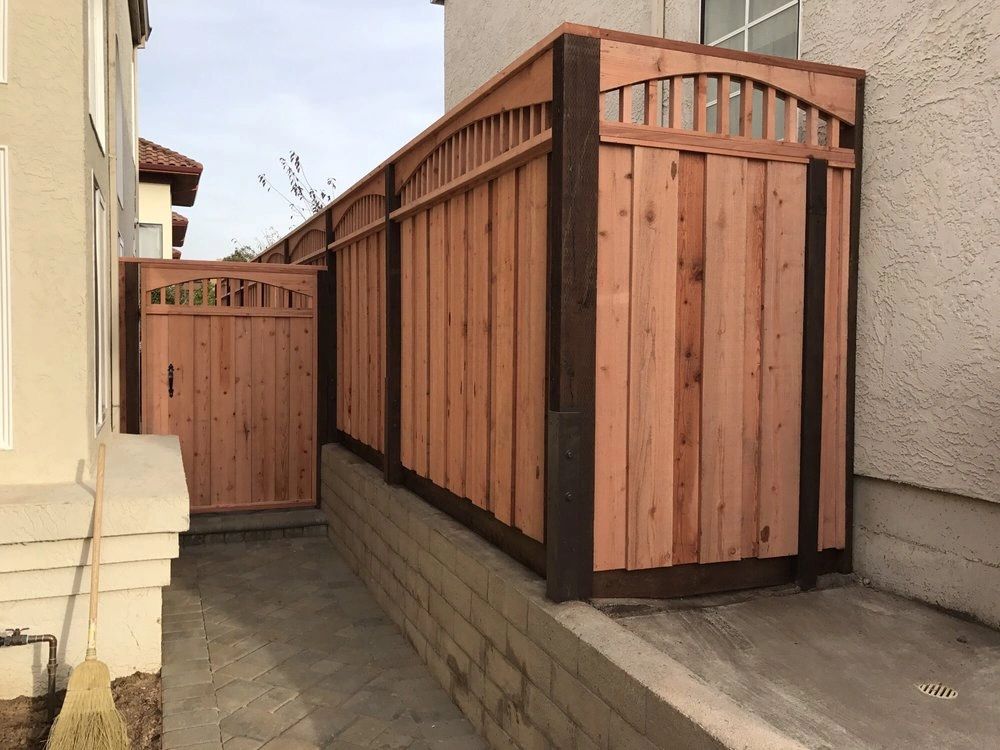
A-1 Fence & Deck matches each property to the right material based on privacy, security, weather exposure, and the look the owner wants.
Wood, Vinyl, Chain-Link, and Ornamental Iron Options
Wood works well for homeowners who want privacy and a classic curb appeal. The tradeoff is upkeep: it needs stain every 2–3 years to help prevent rot and peeling.
Vinyl makes sense for homeowners who want a low-upkeep privacy fence. It doesn’t need paint or stain, and its enclosed rails help limit rust staining in coastal or humid areas.
Chain-link is the practical pick when cost, visibility, and security matter most. It’s an affordable option for protecting property and keeping pets contained, and privacy slats can be added for more screening.
Ornamental iron is a strong fit for security and a more formal look. Vertical pickets and optional decorative spikes help deter climbing, and with proper maintenance it can last 50 years or more.
Choosing by Privacy, Upkeep, Durability, and Style
Here’s the quick side-by-side view:
| Material | Privacy | Maintenance | Durability | Best Fit |
|---|---|---|---|---|
| Wood | High | High | Moderate | Residential backyards, traditional curb appeal |
| Vinyl | High | Very Low | High | Low-upkeep privacy fencing |
| Chain-Link | Low (High with slats) | Low | High | Large perimeters, pet containment, budget-conscious security |
| Ornamental Iron | Low | Low | Very High | Front yards, security, high-end curb appeal |
In fire-prone areas, the material choice matters even more. For fence sections within 5 feet of a structure, A-1 Fence & Deck looks at ember-resistant, non-combustible materials such as aluminum, steel, or masonry.
Once the material is chosen, installation quality determines how well it performs.
Why Installation Quality Affects Long-Term Performance
Material choice matters. But installation is what decides how long the finished job holds up and how much upkeep it will need. In the Bay Area, that means dealing with slopes, salt air, and the way a deck ties back to the house.
Custom Installation That Fits the Property
Many Bay Area lots slope, dip, or sit unevenly. That changes the job right away. Fences on these sites often need custom footings and cut posts so the line stays level and the structure stays firm.
Coastal homes bring another issue: salt and fog. On those properties, marine-grade stainless steel hardware helps resist corrosion from salty air and moisture. And when the layout is custom, there’s no room for guesswork. Careful measuring and alignment make the difference between a clean fit and a fence that looks off from day one.
How Better Workmanship Reduces Future Repairs
A lot of the work that matters most is easy to miss at first. You don’t always see it on day one. You notice it later, when a fence starts leaning or a gate begins to drag.
Pressure-treated posts set in concrete footings do a much better job of resisting lean when they’re anchored the right way. Posts also need proper anchoring and aligned hardware to help stop sagging and shifting over time. Gates that drag or sag usually point back to the same root problem: misaligned hardware or posts that weren’t secured well enough.
Decks have their own trouble spots. Fastener choice is a big one. Standard galvanized screws used with ACQ-treated lumber can corrode in 3–5 years, which can loosen boards and lead to splinters. The ledger matters too. It should be lag-bolted and flashed, not just nailed, to help keep water out. Those behind-the-scenes details are a big part of why local experience matters.
Why Local Experience and Reliable Service Matter in the Bay Area
Once you've picked the materials and nailed down the build details, the next big factor is local coordination. In the Bay Area, that can be the line between a project that moves along cleanly and one that gets stuck waiting on the next step. Fence and deck work here depends on knowing local codes and keeping communication clear from day one.
Family-Owned Service and Dependable Project Coordination
A-1 Fence & Deck has been family-owned and locally operated in the Bay Area since 1978. For homeowners and property managers, that matters. Licensing, bonding, and insurance add another layer of protection, and they also mean there's one clear point of contact when questions come up.
When permits are part of the job, A-1 can coordinate with the San Jose Building Division to help avoid delays.
"Your fence contractor can also help you negotiate the permitting process by contacting the Building Division on your behalf." - A-1 Fence
Local Knowledge of Neighborhood Styles and Property Needs
Local knowledge also makes it easier to fit each project to neighborhood rules, lot shape, and the way a property is set up. That's a big deal in the Bay Area, where lot layouts, neighborhood styles, and local rules can change from one block to the next.
That kind of experience helps line up fence height, layout, and materials with site conditions and neighborhood requirements. And that's often what turns a basic fence or deck into something that improves privacy, security, and curb appeal.
The Results Homeowners Want: Privacy, Security, and Curb Appeal
When the right materials and solid installation come together, homeowners get more privacy, better security, and stronger curb appeal day after day. That matters because the payoff shows up in how the property feels and works, not just in how it looks when the job is done.
How Fence and Deck Upgrades Improve Daily Property Use
In a region shaped by close lot lines, coastal weather, and fire risk, the right fence or deck can change the way a property functions. A solid wood or vinyl fence can turn an exposed backyard into a more private space for family time, quiet mornings, or having people over. Ornamental iron at the front gives the home a polished look and can be custom-built to match the frontage and the amount of privacy the owner wants. For pet owners, chain-link helps keep the yard contained while still preserving visibility.
In high-risk fire areas, non-combustible fencing near the home can help interrupt fire spread from the fence to the house. Composite decking also makes day-to-day use easier. It cuts down on upkeep, adds more usable outdoor space, and estimates put a composite deck's return at about 40%.
Conclusion: Why A-1 Fence & Deck Works Well for Bay Area Projects
Put simply, the right fence or deck should fit the property and make it work better every day. A-1 Fence & Deck matches material options with Bay Area experience to deliver durable, low-maintenance projects that improve privacy, safety, and curb appeal.
FAQs
Which fence material is best for my yard?
The best fence material comes down to what you need most: security, looks, and any local safety rules you need to follow.
In the Bay Area, fire-resistant materials are often the smart pick, especially in high-risk areas. That includes aluminum, steel, masonry, stone, concrete, and brick.
If your top goals are durability and classic curb appeal, iron stands out. Ornamental iron tends to cost less and needs less upkeep. Wrought iron is a better fit if you want custom craftsmanship and long-term durability.
Do I need a permit for a fence or deck?
It depends on what you’re building and on your local zoning rules. In San Jose, many residential fences don’t need a permit if they’re under 7 feet and meet local code.
That said, some fences do need permits. This usually includes pool or spa fences and fences that act as retaining walls. Decks follow a separate set of permit rules, so if your project includes both a fence and a deck, you may need to coordinate permits for each.
What matters most for long-term durability?
Long-term durability starts with strong materials like iron. It can stand up to weather, wind, and sunlight for 50 years or more.
But the material is just the starting point. Consistent maintenance and quality installation matter just as much. If rust or wear shows up, deal with it early. Protect surfaces with quality finishes or powder coatings. Lubricate moving parts. Tighten hardware on a regular schedule.