
If I want the short answer: wood costs less up front, vinyl needs the least work, and composite tends to last the longest. In the Bay Area, that choice often comes down to fog, salt air, sun, wind, slope, and local fence-height rules.
Here’s the core of it in plain English:
- Wood: lower starting price, more style options, more upkeep
- Vinyl: clean look, low yearly care, fewer design choices
- Composite: highest price in many cases, low upkeep, long service life
I’d compare these three fence materials by:
- Upfront cost
- Yearly maintenance
- Lifespan
- Weather resistance
- Appearance
- Best fit for privacy, front yards, and shared boundaries
A few numbers stand out:
- Bay Area installed cost runs about $28–$65 per linear foot for wood
- About $30–$65 per linear foot for vinyl
- About $35–$70 per linear foot for composite
- Wood often lasts 15–20 years
- Vinyl often lasts 20–30+ years
- Composite can last 25–50 years
If I’m looking at long-term ownership, the low sticker price of wood does not always stay low after years of staining, sealing, and repairs.
Quick Comparison
| Material | Upfront Cost | Upkeep | Lifespan | Weather Fit | Best For |
|---|---|---|---|---|---|
| Wood | $28–$65/LF | High | 15–20 years | Fair in fog/sun with regular care | Custom looks, sloped yards, easier board repair |
| Vinyl | $30–$65/LF | Very low | 20–30+ years | Strong against moisture and salt air | Low-care homes, side yards, clean street look |
| Composite | $35–$70/LF | Very low | 25–50 years | Strong in fog, sun, and wind | Long-term ownership, premium look, low upkeep |
So if I were choosing fast: wood fits budget-first projects, vinyl fits low-maintenance projects, and composite fits long-term projects where I want a wood-like finish without the work.
Wood, Vinyl, and Composite Fencing: A Material-by-Material Breakdown
Start with the material that lines up with what matters most to you: wood for flexibility, vinyl for low upkeep, and composite for the longest service life.
Wood Fencing: Natural Look, Lower Upfront Cost, More Maintenance
Wood is often the easiest fit for sloped yards and uneven lot lines. It also has a natural appearance that works with many home styles.
In the Bay Area, redwood and cedar are the main local picks because they resist rot and insects better than most woods. Pressure-treated pine costs less at the start, but it tends to have a shorter lifespan and needs more frequent care to stay in shape.
That lower upfront price comes with a catch: upkeep. Wood usually needs to be sealed or stained every 2–3 years to help guard against weathering. In fog-heavy spots like Pacifica or the Inner Sunset, that can shrink to every 1–2 years. Miss a maintenance cycle, and problems like warping, discoloration, or rot can start to show up.
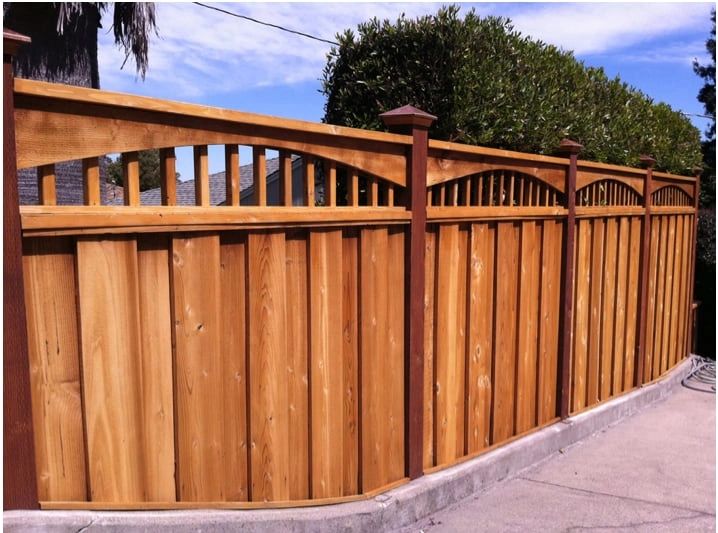
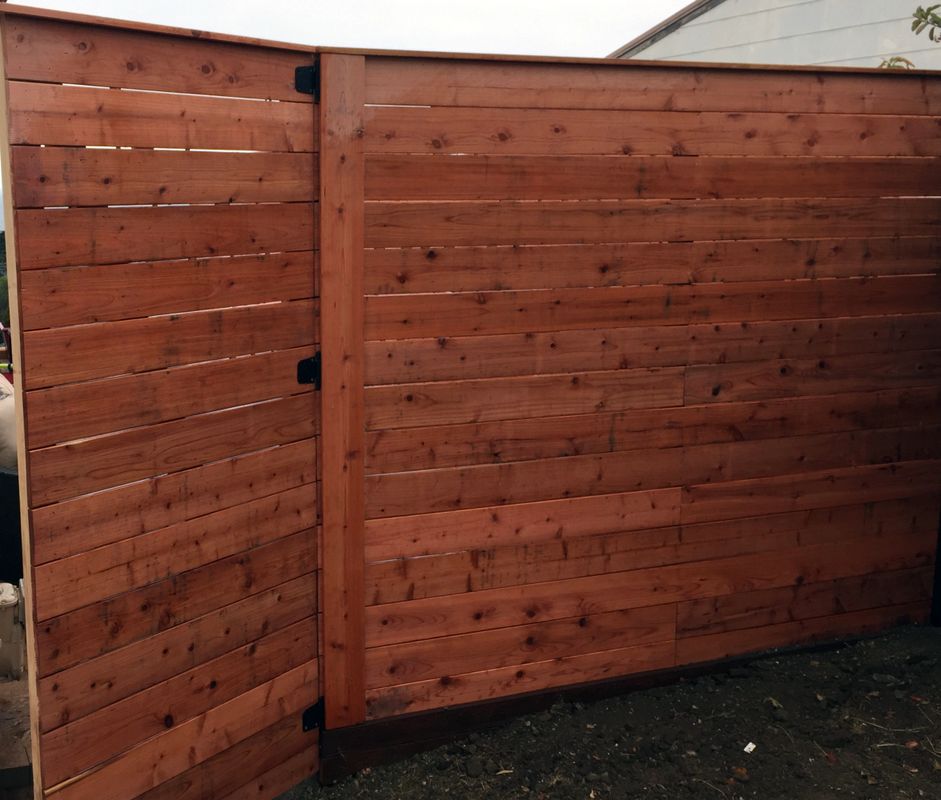
Two common Bay Area wood styles are board-on-board, which works well for full backyard privacy, and horizontal slat designs for a more modern street-facing look. Wood also gives you more room to adjust height, spacing, and color.
Vinyl Fencing: Low Maintenance and a Clean, Uniform Look
Vinyl changes the tradeoff. You give up some design freedom, but you get much less upkeep.
Its main strength is simple: vinyl doesn't rot, won't attract termites, and handles tough Bay Area weather well. For most homeowners, a quick wash with soap and water once or twice a year is enough. That works out to about $0.50–$1.00 per linear foot per year in upkeep costs.
Installed vinyl in the Bay Area costs about $43 per linear foot, so it's often priced above standard wood. Over time, though, the lower upkeep helps close that gap. Most vinyl fences are rated to last 20–30+ years with very little hands-on care.
There are limits. Vinyl comes in factory-set colors and profiles, so you won't get the same level of customization as wood. Lower-grade vinyl can turn brittle, and because vinyl expands and contracts with temperature swings, proper installation matters a lot. Products with UV inhibitors hold color better than wood, though cheaper versions may yellow over time.
Composite Fencing: Higher Cost, Long Lifespan, Wood-Like Finish
Composite lands between wood and vinyl on price, but it stands out for lifespan.
It’s made from a mix of wood fibers and recycled plastic (HDPE), which gives it a wood-like texture and warmth without the same maintenance load. Many composite fence products also use recycled materials.
Installed cost in the Bay Area runs $35–$70 per linear foot, or about 2 to 3 times the cost of standard wood. That price can be tough to swallow for tighter budgets. Still, for homeowners planning to stay put, the long service life can make the math work: composite fences are rated for 25–50 years.
This material is a strong match for Bay Area conditions because it resists the things that wear down other fences first. It won’t rot in coastal fog, it resists warping, and it keeps its color better than untreated wood under long sun exposure. If you're shopping around, look for products with a bonded outer cap or capping. That outer layer helps guard against staining, fading, and mold.
Composite also offers decent flexibility in the field. It can be cut, routed, and shaped on-site, which helps when a yard has custom layout needs or tricky landscape conditions.
| Feature | Wood (Cedar/Redwood) | Vinyl | Composite |
|---|---|---|---|
| Installed Cost (Bay Area) | $28–$65/LF | $30–$65/LF | $35–$70/LF |
| Lifespan | 15–20 years | 20–30+ years | 25–50 years |
| Annual Maintenance Cost | High ($2–$5/LF) | Very Low ($0.50–$1/LF) | Very Low |
| Rot & Pest Resistance | Moderate (species-dependent) | High | High |
| Customization | High | Low | Moderate |
Cost, Maintenance, Lifespan, and Appearance: A Direct Comparison
Now that each material is broken down, here’s the side-by-side view that tends to matter most.
Upfront Cost vs. Long-Term Upkeep
Upfront price matters. But upkeep changes the math.
Pressure-treated wood usually costs the least at the start, yet it also asks the most from you over time. In the Bay Area, maintaining a wood fence usually costs about $2–$5 per linear foot per year, compared with about $0.50–$1 per linear foot for vinyl. Composite needs very little care, usually just an occasional wash.
On a 150-foot privacy fence, the 10-year totals look like this:
| Cost Category | Pressure-Treated Wood | Vinyl | Composite |
|---|---|---|---|
| Initial Install | $4,500 | $7,200 | $8,800 |
| 10-Year Maintenance | $6,100 | $600 | Minimal |
| Total 10-Year Cost | $10,600 | $7,800 | $8,800 |
That spread is the big reason the lowest sticker price doesn’t always lead to the lowest long-term cost.
How Each Material Holds Up in Bay Area Weather
Bay Area weather can be rough on fencing. Coastal fog, salt air, sun, and wind all leave their mark, and each material reacts in its own way.
Wood is the most exposed. Even redwood and cedar can take in moisture over time, and strong sun can lead to fading, drying, and cracking. If you choose wood near the coast, clear-heart redwood or cedar are the better picks, but fog and salt air can push resealing to every 1 to 2 years instead of the 3 to 5 years often seen in drier areas.
Vinyl does well with moisture and salt air because it is non-porous. Still, installation matters. It needs room for thermal expansion so panels don’t rattle or buckle. Wood boards deal with similar pressure in exposed lots, where panels can warp and fasteners can loosen over time.
Composite holds up well in both coastal areas and hot, sunny spots, and capped versions resist fading better than wood.
There’s also the time factor. Over 10 years, a wood fence usually needs about 130 hours of maintenance labor, while composite needs roughly 2 hours. That’s a huge gap if you want a fence that keeps its look without taking over your weekends.
Privacy and Street-Facing Appearance by Fence Style
All three materials can work for privacy. The bigger difference is how they look from the street - and how well they keep that look over time.
Wood has the most natural warmth and gives you the most room to customize. Vinyl looks clean and even. Composite comes closest to real wood in texture and tone, especially in premium embossed or multi-tone styles.
For street-facing fences, Bay Area rules usually cap front-yard fences at 4 feet, while backyard and side-yard fences can often reach 6 feet. So curb appeal matters just as much as screening.
Here’s a simple way to match the material to the job:
| Visual Goal | Best Material Fit | Notes |
|---|---|---|
| Traditional / Classic | Wood (Redwood/Cedar) | Warm grain, stainable, highly customizable |
| Clean / Contemporary | Vinyl | Uniform finish, no painting needed |
| Upscale / Eco-Conscious | Composite | Wood-like texture, premium finish, made from recycled wood and plastic |
| Full Backyard Privacy | Wood, Vinyl, or Composite | All three can be built as solid privacy panels |
| Low Maintenance + Curb Appeal | Vinyl or Composite | Keeps a neat look with minimal upkeep |
Once you line up cost, weather resistance, and appearance, the tradeoffs get a lot easier to see.
Which Fence Material Works Best for Common Bay Area Projects
With the material differences clear, here’s how each one tends to fit the most common Bay Area fence jobs.
Backyard Privacy Fences and Side Yard Enclosures
For most Bay Area backyards, 6-foot fencing is the standard.
Wood works well if you want a natural look and don’t mind keeping up with maintenance. In foggy microclimates like Pacifica or Daly City, resealing every 1 to 2 years helps keep the fence in good shape.
Vinyl makes sense for side yards where easy cleanup matters most. And in sandy or fill soils, which are common in parts of San Francisco, posts should be set at least 24 inches deep for long-term stability, no matter which material you choose.
Composite is a good match for homeowners who want a wood-like finish, solid weather resistance, and very little upkeep. The tradeoff is the higher upfront price, roughly 2x to 3x the price of wood. Still, if you plan to keep the fence for decades, that lower-maintenance setup can make a lot of sense.
Privacy fences and front-facing fences do different jobs, so the best pick often changes based on where the fence sits.
Front Yard Borders, Decorative Lines, and Neighborhood Fit
Most Bay Area front-yard fences are limited to 3 to 4 feet, so looks and neighborhood fit matter more than privacy.
Wood is often a good match for older or historic homes because it can be cut, painted, or stained to match the house. Horizontal slat designs have also become a popular choice for modern Bay Area renovations. The catch? In fog-heavy areas, wood can start looking worn pretty fast if staining gets delayed.
Vinyl keeps its color without peeling and needs very little upkeep. That’s a big plus for street-facing fences in neighborhoods where a clean, uniform look matters.
If you’re working on a higher-end renovation and want the curb appeal to hold up for years, composite is a strong option. Some Bay Area HOAs also require certain materials or colors, so it’s smart to check those rules before you choose a finish.
For gates, shared lot lines, and other high-contact spots, toughness usually matters more than looks.
Security Boundaries and High-Wear Areas
For shared lot lines and high-wear areas, long life and low maintenance usually matter more than the starting price.
Wood is the easiest material to repair. If one board gets damaged, you can swap out that board and match the color without reworking the rest of the fence. Steel posts also help stop rot at the base, which is the most common failure point for wood fences, and they can extend the life of the structure by a lot.
In high-wear areas that need steady long-term performance, both vinyl and composite resist moisture and pests. Composite also has a stiffer build, so it’s less likely to warp when temperatures shift.
Here’s a quick way to match your main priority to the right material:
| Priority | Best Fit | Notes |
|---|---|---|
| Lowest upfront cost | Wood | Lower initial cost, but higher long-term maintenance |
| Easiest repairs | Wood | Replace single boards |
| Moisture and pest resistance | Vinyl or Composite | Non-porous and resistant to rot |
| Longest lifespan | Composite | 25–50 years with minimal upkeep |
| Low-maintenance property | Vinyl or Composite | Minimal cleaning compared with wood |
| Stable shared boundaries | Wood with steel posts | Helps prevent base rot and extends service life |
Conclusion: Picking the Right Fence Material and Working With A-1 Fence Company
Quick Takeaways for Budget, Maintenance, and Style
The right fence comes down to three things: your site, your budget, and how much upkeep you're willing to deal with.
The simplest way to choose is to line up your budget, your tolerance for maintenance, and the look you want with the fence material that fits best.
Wood has the lowest starting cost and is the easiest to customize on sloped lots or around uneven property lines. It costs less at the start, but it does need regular care.
Vinyl is the go-to low-maintenance pick for damp or coastal areas. It needs very little upkeep to keep its finish looking good over time.
Composite is the premium low-maintenance choice. It gives you a wood-like look and the strongest long-term durability of the three.
Local conditions often make the final call. A-1 Fence Company brings local installation experience that helps turn Bay Area factors - microclimate, slope, soil, and neighborhood rules - into a fence that fits well and lasts. That local fit is often the difference between a fence that looks good for a year and one that holds up for decades.
FAQs
Which fence material is best near the coast?
For Bay Area coastal properties, vinyl and composite are usually the best picks. They hold up well against moisture, salt air, and rot, and they don't ask for much upkeep.
Wood can work too, especially clear-heart redwood or cedar. But there's a catch: in heavy fog and salt air, it often needs sealing every 1 to 2 years. Metal is durable as well, though it needs a rust-resistant coating to keep corrosion in check.
Is composite worth the higher upfront cost?
Yes - if you care about lower long-term costs and less upkeep.
Composite usually costs 2 to 3 times more than wood at the start. But unlike wood, it skips many of the repeat expenses that add up over time, like staining, sealing, and frequent repairs.
Over 10 years, those maintenance costs can make composite just as affordable as wood - or even cheaper. It also saves you time, since it usually only needs occasional cleaning.
What fence height is usually allowed in the Bay Area?
In the Bay Area, 6 feet is the standard height for backyard privacy fences. In front yards, fences are often capped at 3 or 4 feet so drivers and pedestrians can see clearly.
That said, rules can change from one city to the next, and even from one neighborhood or HOA to another. Before you start the job, check your local zoning rules and setback requirements.