
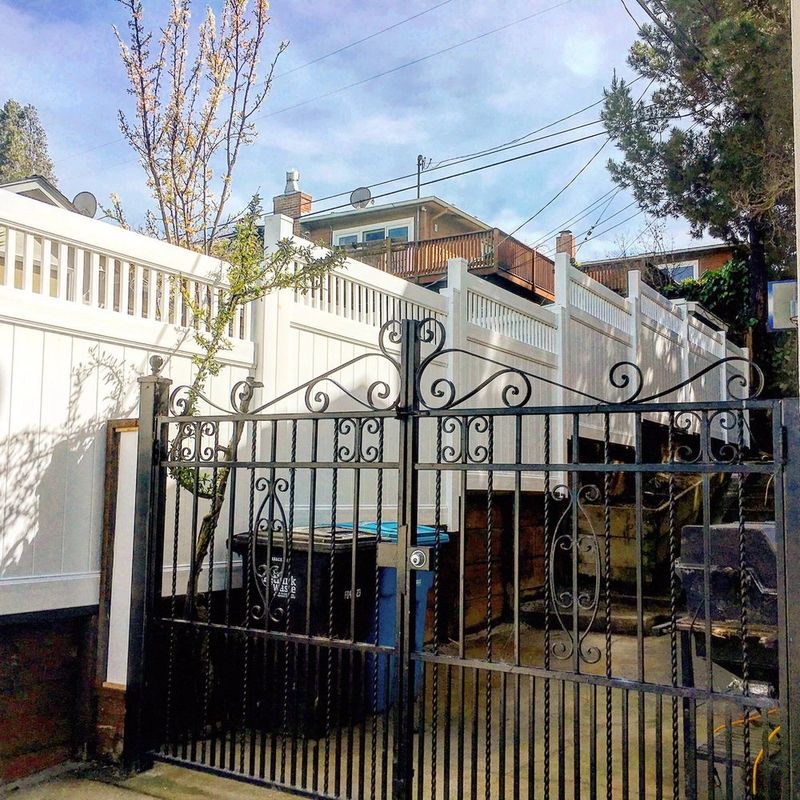
Iron and wrought iron fencing are excellent options for Bay Area homeowners due to their durability, security, and design flexibility. These fences withstand the region's challenging climate, from salty coastal air to temperature swings inland, better than wood, vinyl, or aluminum. With proper coatings and maintenance, they resist rust, last for decades, and add property value. Wrought iron offers handcrafted designs, while ornamental iron provides a more affordable, machine-made alternative. Both options balance strength with aesthetic appeal, making them suitable for perimeter fencing, gates, and pool enclosures.
Key Takeaways:
- Durability: Iron fences can last over 60 years with maintenance.
- Weather Resistance: Coatings like powder finishes protect against rust and UV damage.
- Security: Strong construction deters intruders and complies with California pool safety laws.
- Design Options: Custom patterns and finishes complement various architectural styles.
- Maintenance Costs: Annual upkeep ranges from $50–$150, with professional repairs averaging $522.
Iron fencing combines strength, style, and longevity, making it a smart investment for Bay Area homeowners.
How Wrought Iron Fencing Holds Up in Bay Area Weather
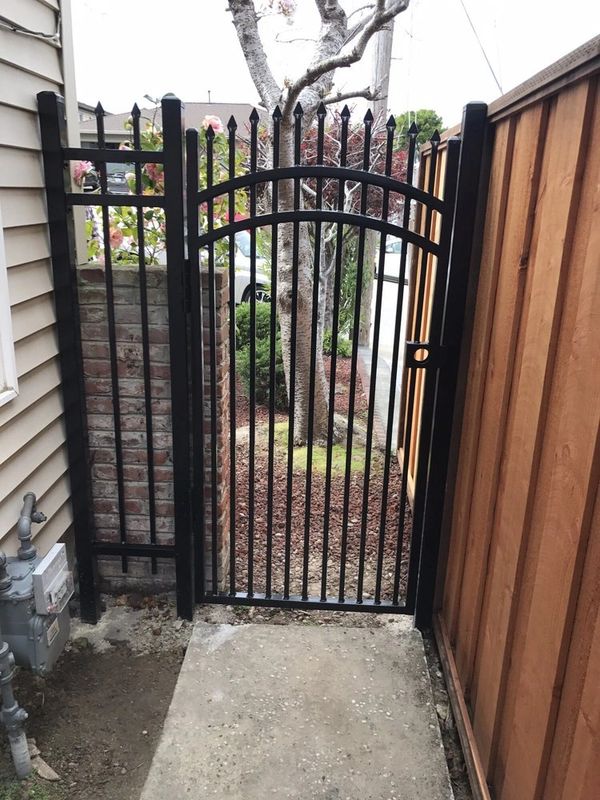
Wrought Iron Performance in Coastal and Foggy Conditions
The Bay Area's coastal fog and fluctuating temperatures create a challenging environment for outdoor materials. Wrought iron, however, handles these conditions impressively. The fog often carries salt from the Pacific Ocean, which can speed up rusting. Thanks to wrought iron's alloy composition, it naturally resists corrosion better than standard iron.
"The fog we're famous for isn't just water vapor; it's often loaded with corrosive salt from the Pacific Ocean. This salty mist settles on everything and is incredibly aggressive, especially on metal." - Michal, Automatic Gate Mates
For homes in areas with high salt exposure, like Pacifica or along San Francisco's coastline, additional protections can make a big difference. Options such as cathodic protection (which uses an electric current to slow rust) and nano-coatings (which repel water with microscopic hydrophobic layers) provide an extra layer of defense beyond traditional finishes.
Temperature changes between cool foggy mornings and warm inland afternoons can cause metal to expand and contract. Properly applied coatings and expert installation help reduce the risks associated with thermal expansion. Smart design choices also play a role - features like sloped tops and strategic spacing in decorative elements encourage water to drain off, preventing moisture from accumulating in crevices.
Routine maintenance is key to keeping wrought iron in top shape. Washing the fence with mild soap and water to remove salt deposits, inspecting it quarterly for damage, and reapplying rust-resistant coatings every three years can significantly extend its lifespan.
Wrought Iron Versus Other Fencing Materials
When it comes to fencing materials suited for the Bay Area's demanding weather, wrought iron stands out for its durability and strength. Wood struggles with the region's constant moisture changes, which cause it to swell, shrink, warp, and eventually rot. Vinyl, while resistant to rust and rot and requiring minimal upkeep, lacks the elegance and security of custom iron. Aluminum is naturally corrosion-resistant and lightweight, making it a great option for coastal areas, though it doesn't match wrought iron's resilience against physical impacts.
| Material | Rust/Corrosion Resistance | Maintenance Level | Bay Area Suitability |
|---|---|---|---|
| Wrought Iron | High (requires coating) | Moderate | Excellent (with proper care) |
| Aluminum | Excellent (natural) | Low | Best Overall for Coast |
| Vinyl | Immune | Very Low | High (Budget-friendly) |
| Wood | Low (prone to rot/warp) | Very High | Poor for Foggy Areas |
Compared to wood, vinyl, and even aluminum, wrought iron offers unmatched longevity and strength when maintained properly. While wood typically lasts 10 to 20 years and vinyl 20 to 30 years, wrought iron can endure for decades - or even centuries. Aluminum, with its 30 to 50-year lifespan, is lightweight and corrosion-resistant but doesn't provide the same level of security or impact resistance as wrought iron. Additionally, investing in quality wrought iron fencing can boost property value, offering about a 70% return on investment through increased curb appeal.
Maintenance Requirements and Costs
Regular Care for Wrought Iron Fences
Taking care of wrought iron fences requires some consistent effort each year. Start by giving the fence an annual wash with warm water, mild soap, and a soft sponge to clear away dirt and debris. After rinsing, make sure to dry it thoroughly - especially in those hidden corners where water could linger and lead to rust.
Inspect your fence annually for any scratches, rust spots, or cracks in the coating. Since wrought iron is softer than steel, it’s more prone to small nicks that expose the metal to moisture. If you spot rust, scrub it off with a wire brush, apply a rust-inhibiting primer, and finish with a coat of enamel paint. For gate hinges, skip the WD-40 and use heavy-duty lithium grease instead for better lubrication.
Another tip: keep plants and vines away from the fence. Vegetation can trap moisture against the metal, speeding up corrosion. If you’re using a weed whacker near the base, be careful not to damage the protective coating. Plan to repaint the fence every three to five years to maintain its protection and visual appeal. For severe rust or structural damage, you may need professional help for re-welding or panel replacement.
Sticking to these tasks not only keeps your fence looking great but also helps manage long-term repair costs.
What to Expect for Long-Term Costs
Knowing the basics of routine care can help you plan for the bigger picture when it comes to costs. Expect to spend between $50 and $150 annually, based on Bay Area rates. This amount typically covers cleaning supplies, touch-up paint, and minor DIY repairs. If you hire professionals, labor costs in the area range from $30 to $125 per hour.
For specific services, rust removal and cleaning might cost $7 to $10 per linear foot, while painting could run $8 to $12 per linear foot. Welding repairs vary widely, from $100 to $800 per project, and gate repairs typically range between $100 and $400 per unit. On average, professional repairs cost around $522, while a full restoration can range from $30 to $50 per linear foot.
When compared to other materials, wrought iron maintenance costs are higher than vinyl ($20–$50 annually) or aluminum ($10–$25 annually) but lower than wood ($100–$300 annually). However, with proper care, wrought iron fences can last over 60 years. This durability makes them a solid long-term investment, boosting property value and curb appeal for Bay Area homes. Regular upkeep ensures the fence remains a lasting and worthwhile addition to your property.
Design Styles and Customization
Wrought iron fences are more than just durable and low-maintenance - they're an opportunity to elevate your home's architectural charm with a range of design options.
Decorative Patterns and Custom Details
Wrought iron fencing offers a variety of decorative elements that can be tailored to suit your home's style. For a Victorian look, intricate scrollwork, floral designs, and spear-topped pickets perfectly complement Queen Anne, Italianate, and Victorian Gothic architecture. On the other hand, Colonial styles favor symmetry and geometric patterns, such as circles, squares, and diamonds, which pair beautifully with Federal, Georgian, and Colonial Revival homes.
If your home leans toward Gothic Revival or Tudor Revival, pointed arches and tracery patterns like quatrefoils emphasize verticality, creating a striking aesthetic. Mediterranean and Spanish Colonial designs often incorporate Baroque-inspired scrolls, twisted pickets, and hammered textures, finished in earthy tones like bronze or dark green to harmonize with stucco and tile exteriors. For modern architecture, minimalist designs with clean geometric lines and abstract elements provide a sleek, contemporary feel.
"The malleability of wrought iron enables the intricate decorative work that defines classic fence styles." - SF Bay Automatic Gates
Finials are another way to add flair and functionality. Options like spear points, fleur-de-lis, urns, or balls not only enhance the design but also deter climbing. Custom details such as monograms, medallions, or unique finial treatments can make your fence truly one-of-a-kind. Functional variations - like arched tops for a classical look, straight tops for modern simplicity, or closed metal designs for added privacy - expand the possibilities. Some homeowners even mix wood and wrought iron for a blend of traditional and contemporary styles. Custom gates with automatic openers, including solar-powered options, are also a popular choice in the Bay Area, combining convenience with elegance.
These decorative and functional options turn a simple fence into a personalized statement that complements the strength and beauty of wrought iron.
Impact on Home Appearance and Resale Value
Wrought iron fencing doesn’t just protect your property - it also enhances its curb appeal and market value. Unlike mass-produced options, these handcrafted designs make a bold statement that appeals to discerning buyers.
"Wrought iron fencing represents one of the most enduring and elegant perimeter solutions available to property owners." - SF Bay Automatic Gates
Matching your fence to your home's architectural style can significantly boost its visual appeal, especially in historic neighborhoods. For example, a Colonial-style fence in a Federal-era neighborhood or a Victorian design in a Queen Anne district creates a cohesive look that buyers often value. This harmony isn’t just about aesthetics - it can also help meet preservation guidelines in historic areas.
Beyond aesthetics, the durability of wrought iron adds long-term value. Unlike wood fences, which may require frequent repairs or replacements, a well-maintained wrought iron fence can last for decades. This longevity, combined with its timeless design, makes it a smart investment that enhances your property's beauty, security, and overall resale value.
Security and Functional Advantages
Iron and wrought iron fences offer more than just durability and style - they provide a solid layer of security, especially crucial for Bay Area properties. With property crime rates in places like San Francisco at 17.69 per 1,000 residents and Stockton reaching 40.92 per 1,000, homeowners need fencing that goes beyond simply marking boundaries. Here's a closer look at how these fences help safeguard homes.
Strength and Resistance to Damage
Wrought iron fences are built to last. Each fence is welded into a single, solid structure, making it highly resistant to forced entry. The dense iron, often reinforced with iron silicate, ensures exceptional strength and durability. Anchored securely in concrete, the posts stand firm against physical force and tampering attempts.
"Iron fences may, in fact, be the best security fence you can buy." - A1 Fence Inc.
The welded construction also acts as a built-in alarm system. Any attempt to break or cut through the iron generates loud noise, alerting homeowners or neighbors. The vertical rails and open design further enhance security by making climbing difficult - especially when topped with sharp finials.
For families with swimming pools, iron fencing complies with California's stringent pool safety regulations, including those in San Jose. These fences prevent unauthorized access while maintaining visibility. Additionally, custom gates with automatic openers, including solar-powered options, offer enhanced access control. These gates continue functioning during power outages, allowing homeowners to manage and monitor property access seamlessly.
Balancing Privacy with Security
Iron fencing doesn't just provide security - it also supports visibility and surveillance. Unlike solid fences that block sightlines, the open design of iron fences allows clear views of the surrounding area. This transparency makes it easier for neighbors or law enforcement to notice unusual activity, reducing potential hiding spots for intruders.
"Wrought iron fencing acts as a formidable barrier against trespassing and theft. Its solid construction and height can deter potential intruders, making your property less appealing to criminals." - Ornamental Fence Products
For those who prefer more privacy, there are options to customize the fence's design. Adjusting picket spacing or incorporating decorative patterns can partially obscure views without compromising the fence's strength. This makes wrought iron fencing an excellent choice for keeping pets and children safe while preventing stray animals or unauthorized visitors from entering the property.
Conclusion: Is Wrought Iron Fencing Right for Your Bay Area Home
Wrought iron fencing offers a blend of strength, security, and timeless elegance, making it a great fit for Bay Area homes. Thanks to its alloy composition, it resists corrosion better than standard steel. With proper care, it can handle the Bay Area's coastal fog and moisture, ensuring it remains sturdy over time. Its durability makes it a reliable, long-term option for homeowners seeking both protection and style.
In addition to its practical benefits, wrought iron fencing can add significant value to your property. It provides an estimated 70% return on investment when selling your home. The design options are nearly endless - whether you prefer intricate Victorian patterns or sleek modern lines, wrought iron can enhance your home's aesthetic and curb appeal. Plus, it meets California's pool safety standards, offering both security and clear visibility for families.
Maintaining wrought iron is straightforward and cost-effective in the long run. A simple annual cleaning with warm, soapy water and reapplying a protective coating every three years will keep it rust-free and looking its best. While the initial cost might be higher compared to other materials, the reduced need for repairs and its long lifespan make it a smart investment.
Wrought iron fencing combines lasting strength, customizable designs, and low-maintenance care, making it a standout choice for Bay Area homeowners. It’s a practical and stylish way to enhance both the security and value of your property.
FAQs
What finish is best for coastal Bay Area iron fences?
A corrosion-resistant finish is essential for iron fences in the Bay Area. Options like powder coating or specialized paint designed for coastal conditions work best. These finishes shield the fence from humidity, salty air, and moisture, helping to maintain its durability and extend its lifespan.
How do I stop rust if I live near the ocean?
Living close to the ocean can take a toll on iron and wrought iron fencing due to the salty air and moisture, which speed up rust formation. To keep your fence in good shape, start by applying a durable, salt-resistant protective coating or paint. Regular cleaning is also key - this helps get rid of salt deposits that can damage the metal over time. Make it a habit to inspect the fence for any signs of rust. If you spot rust, deal with it immediately by scrubbing it off with a wire brush, then reapply the protective coating to stop the corrosion from spreading.
Do I need a permit for an iron fence or gate?
Yes, you’ll usually need a permit to install an iron fence or gate in the Bay Area. Local regulations often mandate approval as part of the planning process. Make sure to review the specific requirements for your location before beginning the installation.